


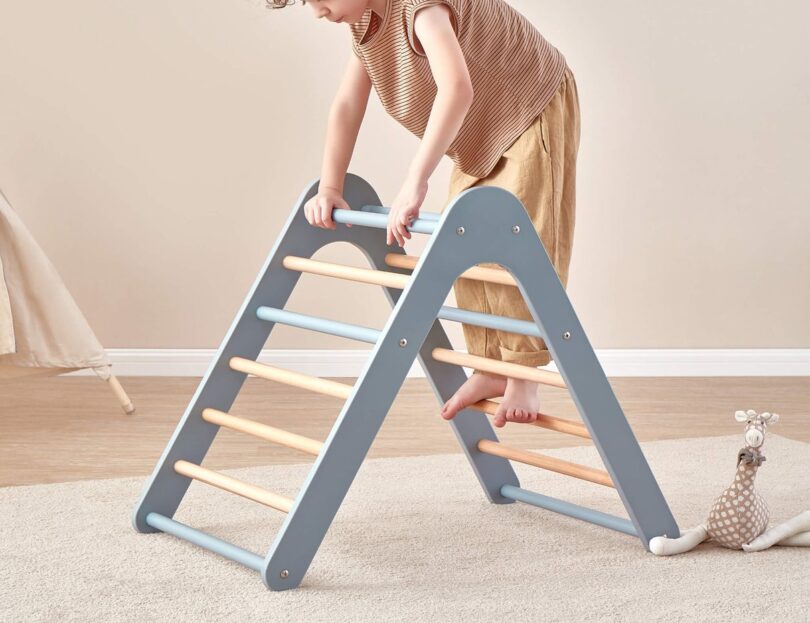
When a playroom needs more than another toy, the question is whether a piece of furniture can invite movement without taking over the whole room. The Boori Tidy Climbing Arch is designed for exactly that decision.
Boori is best known for nursery and children’s furniture, but this arch gives the brand’s wider range a more active focus. The Tidy Climbing Arch is a compact climbing and rocking piece intended to support independent play, balance and motor-skill practice, rather than simply provide somewhere to sit.
In this review, we look at what the product page actually says about the arch, how the buying experience works on the UK store, and where the design makes sense alongside other Boori pieces. We are not presenting invented hands-on testing, so the recommendation stays close to the listed materials, guidance and limits.
Some links in this article are affiliate links: if you make a purchase through them, we may receive a small commission.
Before you read on: The Tidy Climbing Arch looks like the most focused Boori choice for families who want an active-play object with a small footprint and a clear age recommendation. It suits a supervised playroom better than a room where every item needs to serve storage or sleep, and assembly, floor grip and available space deserve attention before ordering.
- Focus: the arch as an active-play purchase.
- Evidence: Boori’s listed materials, guidance and store policies.
- Decision: whether its role justifies the floor space.
What is the Tidy Climbing Arch meant to do?
The Tidy Climbing Arch is a curved wooden play structure that can be used for climbing, rocking and imaginative play. Boori describes it as a way to encourage independent play and develop motor skills, with an eco-friendly finish and a solid-wood construction. The product page also identifies plywood and sustainably sourced European Beech timber in the materials information.
That combination gives the product a clearer job than a generic nursery accessory. It is for children who want to move, test balance and make a simple object part of a game. The store recommends it from six months to five-plus years, but the accompanying advice is just as important: adult supervision is required. Families should therefore see it as a shared playroom tool, not an unattended climbing aid.
- Best match: a supervised play zone with room for movement.
- Less suitable: a crowded room where storage is the urgent need.
- Key check: the floor surface and the assembly plan before use.
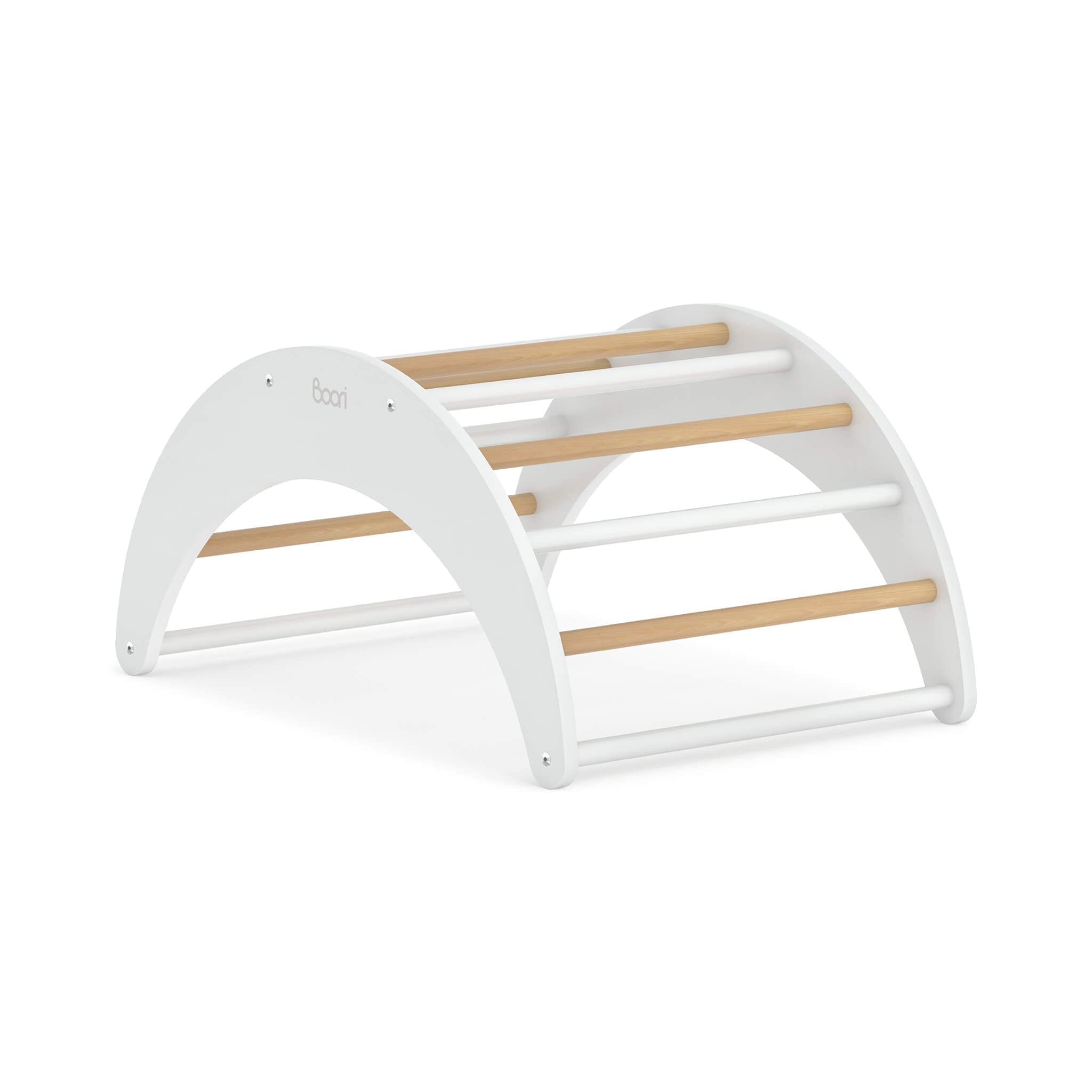
- Movement: climbing and rocking create a more active use than a conventional toy.
- Open-ended play: the arch can become part of imaginative games as a child grows.
- Materials: the store lists plywood and sustainably sourced European Beech timber.
- Finish: Boori describes an eco-friendly finish rather than a heavily decorated surface.
The product’s shape is also its main appeal and its main limitation. A curved frame can support several play positions, but it does not fold into a cupboard or replace a storage unit. If the aim is to keep the floor visually calm, the arch needs a defined home between play sessions.
For the clearest picture of finishes and current availability, compare the live Tidy Climbing Arch page with the Tidy Climbing Triangle page before deciding.
How practical is it in an ordinary playroom?
Boori lists the assembled arch as a relatively small piece of furniture, with a length, depth and height that should be checked against the room rather than guessed from the product photograph. The page also supplies box information and an assembly guide, which is useful because the shopping decision includes more than the object itself. Measure the active play area, the route into the room and the place where the arch will be stored.
Assembly is required. That is normal for children’s furniture, but it affects how quickly the product can become part of a play space and whether a second adult is useful during setup. The listed one-year manufacturer’s warranty is a reassuring piece of aftercare information, although it does not remove the need to inspect the frame and fastenings when the item arrives.
- Measure the clear floor area where climbing will happen.
- Plan a soft, stable surface and keep the arch away from avoidable collision points.
- Read the assembly guide before opening the box.
- Keep the supervision guidance visible for every caregiver.
Delivery is handled through Boori’s UK store. The delivery information says small furniture and accessories may arrive separately from large furniture, and it notes that lead times are estimates rather than guaranteed dates. That is useful context for planning a birthday or room change. The store also links to returns, warranty claims and assembly guides from the product journey, so the buying experience is relatively easy to research before checkout.
Families looking for a broader active-play setup can also view the Tidy Climbing Triangle, which gives the range a more upright climbing format. The triangle is a different product, not a substitute for the arch, and it will ask more of the room’s vertical and floor space. The choice comes down to whether rocking and low, open-ended play or a more climbing-led format is the better match.
The arch listing is the better starting point for a low, flexible shape, while the triangle listing is the more vertical alternative.
What are the clearest strengths of the arch?
The strongest case for the Tidy Climbing Arch is focus. It is not trying to be a cot, a shelf and a toy at once. Its purpose is legible, its materials are stated, and its recommended use gives parents a starting point for deciding whether it belongs in the room. The relatively simple look should also sit comfortably with the pale wood and painted finishes used across Boori’s nursery and children’s ranges.
- Clear use case: a dedicated piece for balance, climbing, rocking and imaginative play.
- Material transparency: the store identifies the wood combination and finish.
- Useful support: assembly guidance, delivery information and warranty routes are easy to find.
- Longer play window: the store’s guidance covers an extended early-childhood range.
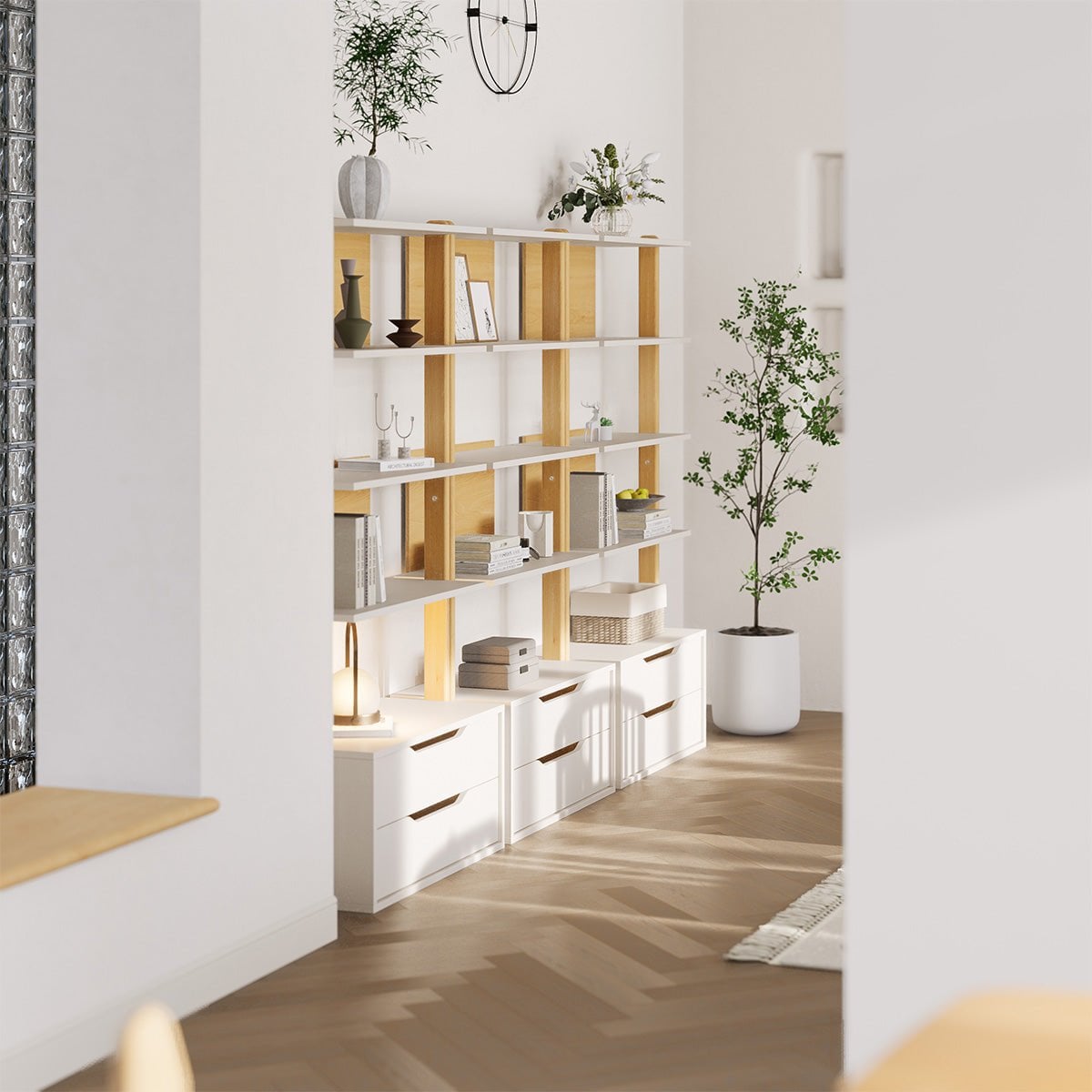
There is also a sensible relationship between the arch and Boori’s wider furniture system. A room can pair active play with the Modular 2 Drawer Bookshelf for accessible books and small toys, or with a Tidy storage piece when loose equipment starts to spread. Those links do not turn the arch into a nursery set, but they show how a buyer might build a coherent room around one specific purchase.
See the bookshelf details for the storage role, then return to the arch details to keep the two purchases separate in your decision.
The product page’s reviews also provide useful, properly qualified context. Several customers describe the item as well made and easy to assemble, while another review mentions that it can slide on some floors and is better used on carpet. Those comments are customer reports rather than independent test results, but they point to a practical issue worth taking seriously: the surface underneath the arch matters.
Where does the design fall short?
The main limitation is that the arch needs supervision and a considered setup. It is not a passive decoration, and a small child moving around it changes the safety demands of the room. Boori’s age guidance is broad, but children’s abilities and confidence vary, so the responsible choice is to follow the supervision instruction and use the product in a controlled area.
Read the store guidance for the arch alongside the alternative climbing product details if you are choosing between movement formats.
It also has a narrower role than many nursery purchases. The arch cannot store toys, support a bedtime routine or replace a seat for an adult. Buyers with limited floor space may get more daily value from storage first. The Tidy Cabinet, for example, offers a more conventional room-organising function, while the arch earns its place through active use.
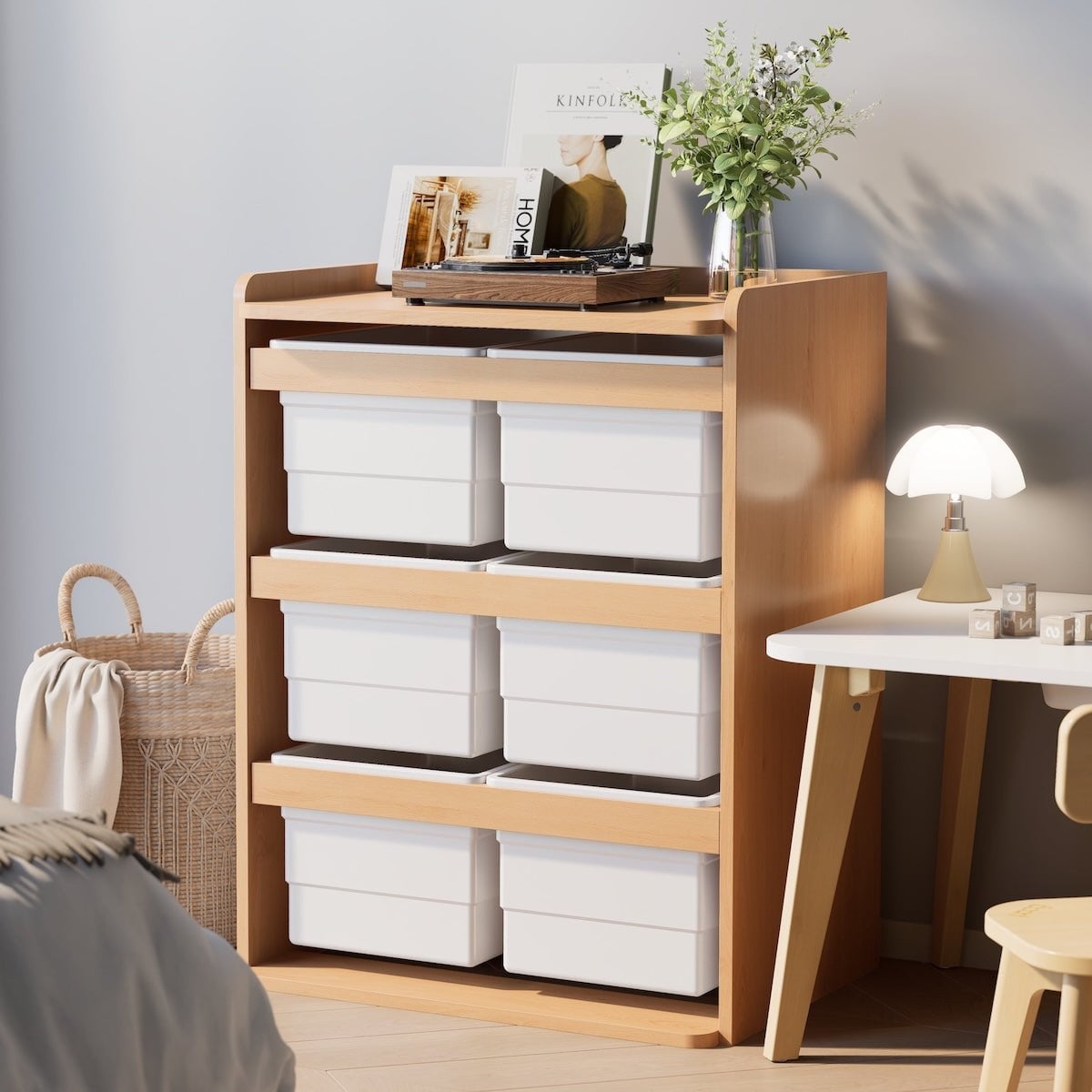
- Choose the arch when movement and imaginative play are the priority.
- Choose storage first when the room is already crowded with toys and books.
- Choose a climbing alternative when the child prefers upright, more demanding movement.
- Leave the purchase until later if there is no stable, supervised place to use it.
Cost is also best judged in context rather than by a single number that may change. On the Boori store, the current price should be checked on the product page, and the final decision should include delivery, the room’s floor requirements and any related furniture you may need. A dedicated play object can be good value when it gets regular use, but it is a poor fit when it spends most of its time in storage.
How does it fit into the wider Boori range?
Boori’s supporting range helps clarify the arch’s position. The Modular 2 Drawer Bookshelf is about accessible storage and display. The Ergonomic Desk moves the brand towards school-age study. The Tidy Climbing Triangle stays close to the arch but changes the movement pattern. These are useful comparisons because they help a family spend on the room’s actual gap instead of buying a whole collection by default.
Use the desk page for later study planning and the shelf page for immediate toy and book organisation.
For a nursery-to-childhood room, that progression can be practical. A cot or bed addresses sleep, storage addresses the daily reset, and an arch addresses active play. The order depends on what is missing. We would not recommend treating the arch as a foundation piece for every nursery, but we would recommend it as a deliberate addition where floor play is already part of the routine.
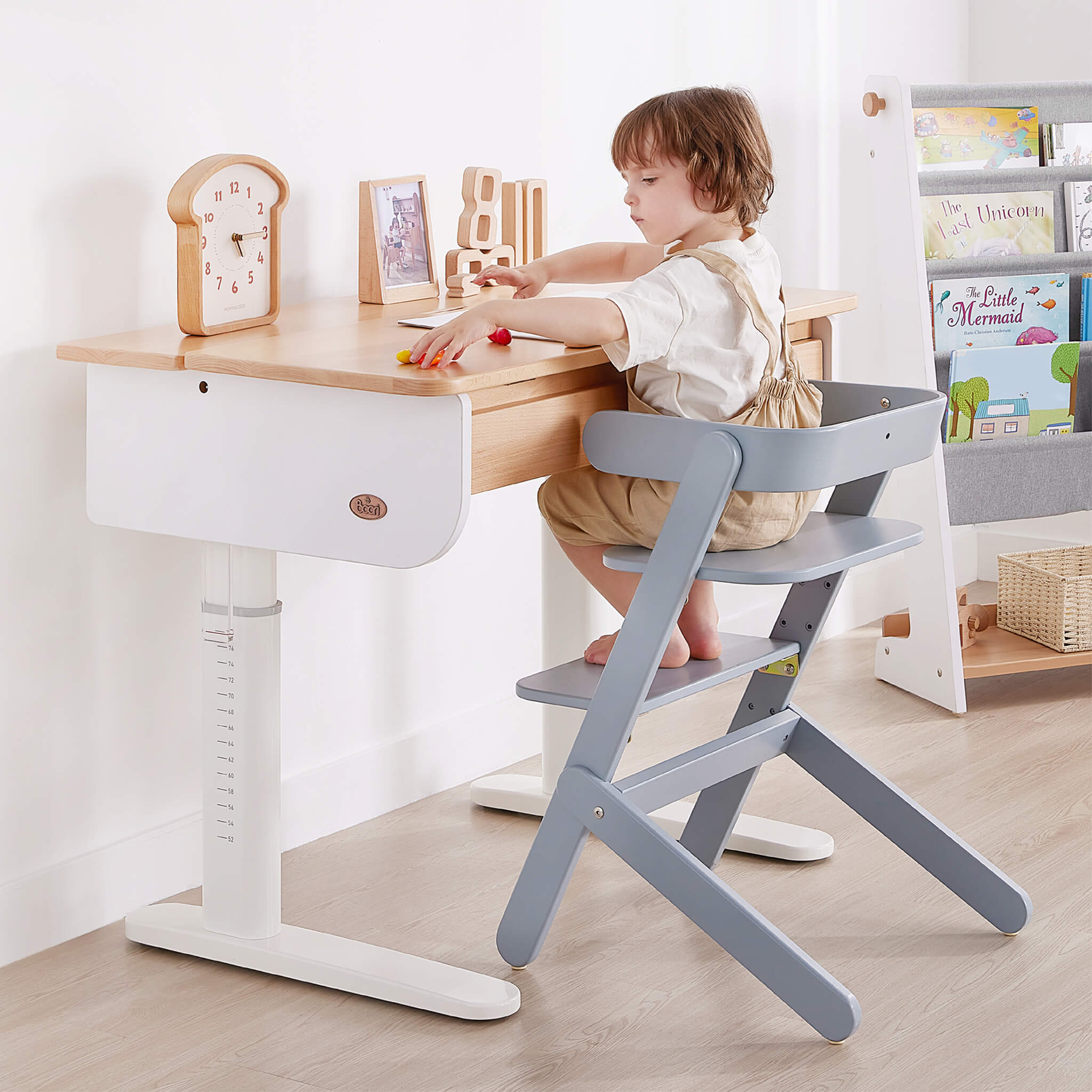
- For active toddlers: start with the arch if the room has a stable supervised play zone.
- For a storage gap: consider the bookshelf or cabinet before adding another floor item.
- For older children: look at a desk or bed-led solution instead of expecting one play product to last forever.
Ready to choose a Boori playroom piece?
Our recommendation is straightforward: the Tidy Climbing Arch is a sensible Boori shortlist choice for families who want a dedicated, low-profile piece for supervised movement and imaginative play. The listed wood construction, eco-friendly finish, assembly guidance and warranty support make the product easy to assess before ordering, while the store’s current page gives the live price and available finish information.
The honest limitation is that the arch is only as useful as the room and routine around it. It needs floor space, a suitable surface and an adult nearby. If those conditions are not available, a storage piece such as the Modular 2 Drawer Bookshelf may solve a more immediate problem. If they are, the arch has a clear role and a stronger case than a decorative nursery extra.


Leave a Comment