


Choosing an online bulb and plant shop is partly about the catalogue, but also about whether the details help you make a sensible garden plan. DutchGrown™ gives UK gardeners a large seasonal range; the question is how well the store supports a careful choice.
We reviewed the UK store’s published product pages and guidance, rather than testing or ordering plants. Its offer extends from autumn-planted bulbs to spring-planted plants and perennials, so this is a look at the shop as a whole, with specific examples from its catalogue.
The strongest case for DutchGrown™ is range plus planning information. The main reservation is that a wide catalogue still asks the gardener to check each plant’s requirements, availability and delivery details before settling on a design.
Some links in this article are affiliate links: if you make a purchase through them, we may receive a small commission.
Before you read on: DutchGrown™ is worth shortlisting if you want a broad, seasonal flower range and are comfortable comparing plant-by-plant details. Its UK store provides useful sizing, guarantee and shipping pages, while the best fit depends on your soil, light and the timing of your planting.
What does DutchGrown™ offer perennial buyers?
The first practical strength is breadth across seasons. The UK homepage links autumn-planted bulbs such as tulips, daffodils, alliums, crocus and anemones, alongside spring-planted bulbs and plants, dahlias and perennial collections. That supports planning across seasons.
The brand describes its flowers as coming direct from a family farm in Holland. That is a claim made by the store, not an independent measure of every bulb or plant. Still, product-specific details are a better starting point than a generic promise: browse the bulb size and quality guide when sizing affects the display you have in mind.
- Seasonal range: autumn bulbs and spring-planted options sit in separate paths.
- Plant variety: annual bulbs share the catalogue with longer-lived perennials.
- Decision support: dedicated pages explain bulb sizing, shipping and the stated grow guarantee.
- UK-specific storefront: the .co.uk site provides local shipping information and product listings.
These are meaningful conveniences for a gardener building a plan, but they do not replace checking the particulars. Flowering period, mature height, soil moisture and sun exposure can differ sharply even between plants sold in the same section. Start with the garden conditions, then use the range to fill a defined role.
Which plants show the range at its best?
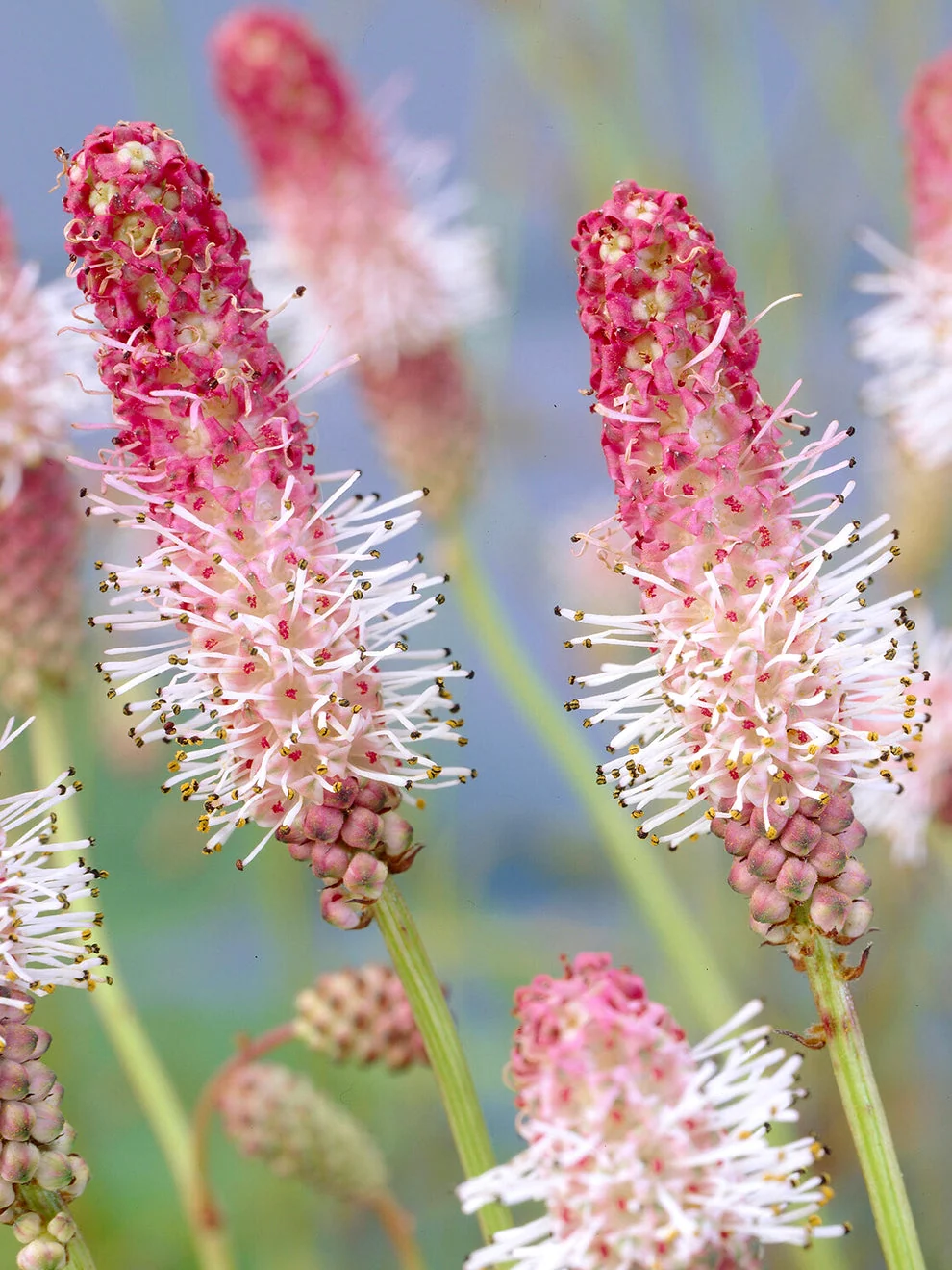
The catalogue is most persuasive when a listing connects appearance to placement. Sanguisorba ‘Lilac Squirrel’ is described with lilac-pink, dangling flower spikes and a summer flowering window. That airy silhouette suits a naturalistic border where movement is welcome, while its lighter colour can sit between stronger blocks of colour. See the Sanguisorba ‘Lilac Squirrel’ listing for the store’s current growing notes.
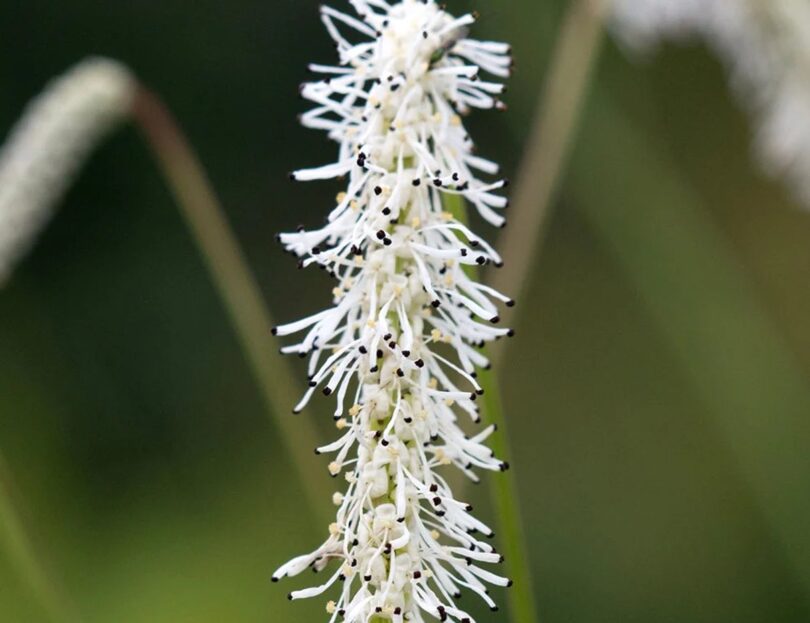
Its neighbour in the range, Sanguisorba ‘All Time High’, is presented as a taller burnet with creamy-white spikes and finely divided foliage. That distinction is useful: shoppers can compare a softer pink accent with a higher, pale vertical element rather than picking from names alone. The ‘All Time High’ product page is worth reading for mature dimensions before assigning it a place.
- Use ‘Lilac Squirrel’ where you want a loose, pink-toned summer accent.
- Consider ‘All Time High’ where more height and pale flower spikes would help the border.
- Check the planting position and flowering window against neighbouring plants.
The pages are helpful for narrowing a visual direction, but a photo cannot show how a plant will perform in your particular ground. Treat retailer descriptions as a shortlist tool and compare stated height, flowering season and moisture needs with a trusted local gardening reference if those factors are decisive.
Where do the growing requirements narrow the choice?
Range is an advantage only if the shopper can keep the choices manageable. DutchGrown™ groups products by season and plant type, which helps with browsing, but the overall choice set can still be substantial. A brief for height, colour, flowering period and soil makes the store easier to use.
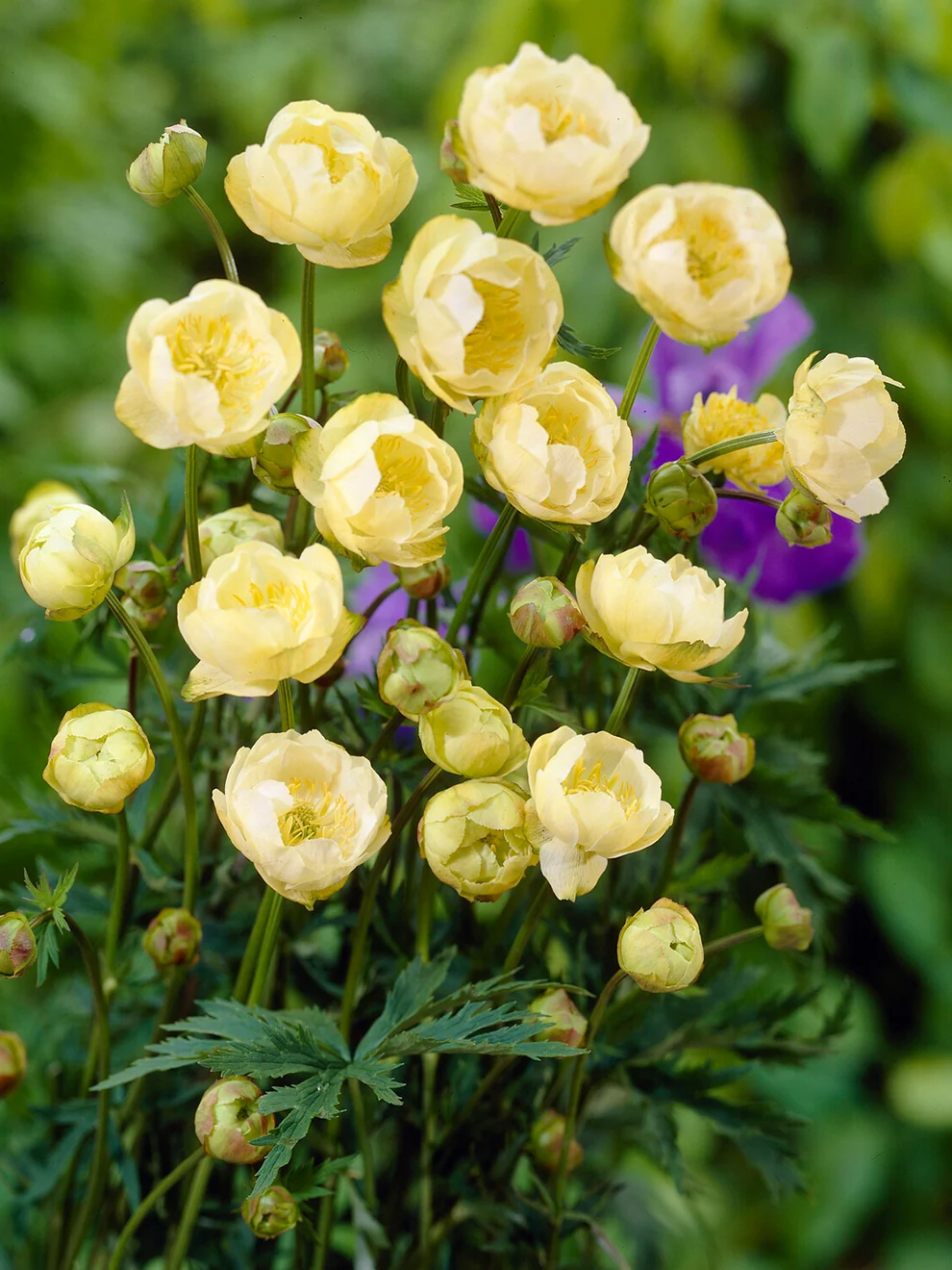
For example, Trollius ‘Cheddar’ offers creamy, semi-double flowers above glossy divided foliage. The store describes it as a late-spring to early-summer plant and notes that globeflowers suit ground that stays moist. That moisture point is consequential: a bright flower is not a good recommendation for a dry border simply because its colour fits. Review the ‘Cheddar’ globeflower listing alongside your site conditions.
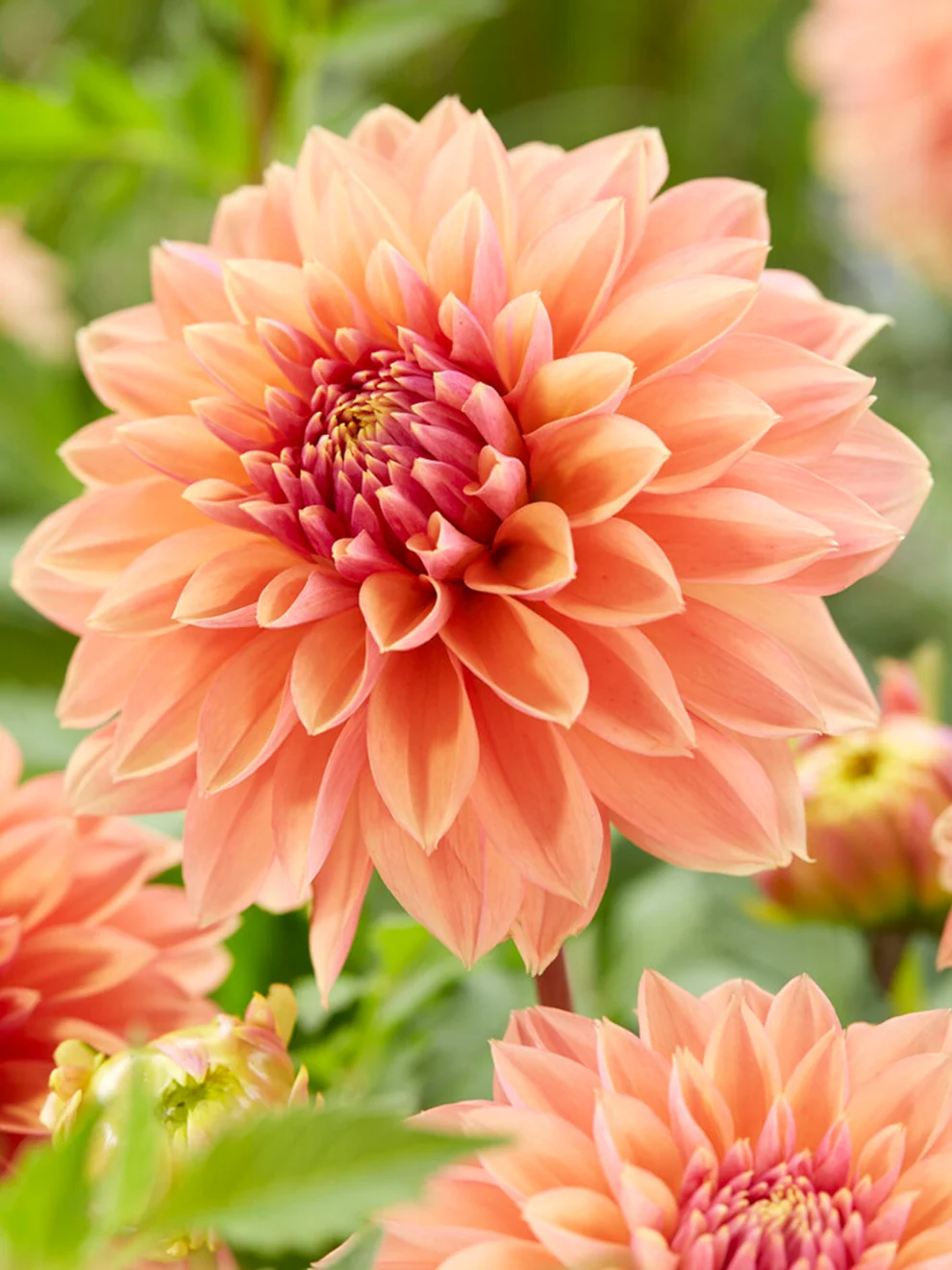
Likewise, Dahlia ‘Kick Off’ is described as a salmon-pink and coppery-orange dahlia with strong stems and cut-flower potential. That gives it a different job from a low edging plant: it can contribute a warmer focal note and flowers for a vase, assuming its growing needs suit your space. The Dahlia ‘Kick Off’ page should be checked for current planting and care information before choosing.
- Good fit: gardeners who enjoy planning a layered, seasonal display.
- Less convenient: shoppers who want a small, pre-edited set of plants with identical care needs.
- Needs checking: soil, sun, mature height, flowering window and the current shipping schedule.
Another limit is that the product descriptions remain retailer material. They are useful for understanding the intended look and basic role, but the reader should not mistake marketing language for a guarantee of results in every garden. The brand’s grow guarantee page explains the store’s stated position; read the terms and any exclusions directly rather than assuming a broad promise covers every outcome.
What should a UK gardener verify before ordering?
DutchGrown™ has practical reference pages beyond its product catalogue. The UK site lists bulb sizing and quality information, a grow guarantee, shipping schedules and shipping costs. Those pages are a point in its favour because they address the questions that often appear after a plant has already caught a shopper’s eye.
Before placing a seasonal order, check the product’s current availability and delivery timing, then read the conditions for the selected item. Planting windows can be seasonal and stock can change. Since delivery policies and product pages may be updated, rely on the UK store for current details instead of carrying assumptions over from an old search result.
- Confirm whether the item is offered as a bulb, tuber, bare root or established plant.
- Match delivery timing to the planting season and your ability to plant promptly.
- Use the store’s sizing guide to understand what the listed bulb grade means.
- Read guarantee terms and the shipping cost page before building a basket.
Seasonal categories help with browsing, but they do not create a planting sequence. Compare flowering periods across individual listings if continuity matters, and use the care notes to decide whether a plant suits your conditions.
How do these perennials compare by garden role?
These examples show why the store’s breadth works best when each plant is assigned a role. A tall burnet, a moisture-loving globeflower and a dahlia intended for display and cutting are not interchangeable just because all add flowers. The quick shortlist below focuses on the distinct use each listing suggests.
| Product | Best for | Action |
|---|---|---|
| Sanguisorba ‘Lilac Squirrel’ | Airy lilac-pink summer texture | Check current price |
| Trollius ‘Cheddar’ | Creamy colour in moist soil | Check current price |
| Dahlia ‘Kick Off’ | Warm-toned flowers and cutting | Check current price |
| Sanguisorba ‘All Time High’ | Taller pale flower spikes | Check current price |
The review in two parts
- Strengths: broad seasonal choice, variety-specific descriptions and practical UK store guidance.
- Limits: the gardener must match moisture, light and mature size, and confirm current availability and delivery details.
For an airy border, compare ‘Lilac Squirrel’ with ‘All Time High’. Choose ‘Cheddar’ for reliably moist soil, or ‘Kick Off’ for warmer summer colour and cutting. Verify live listing details before ordering.
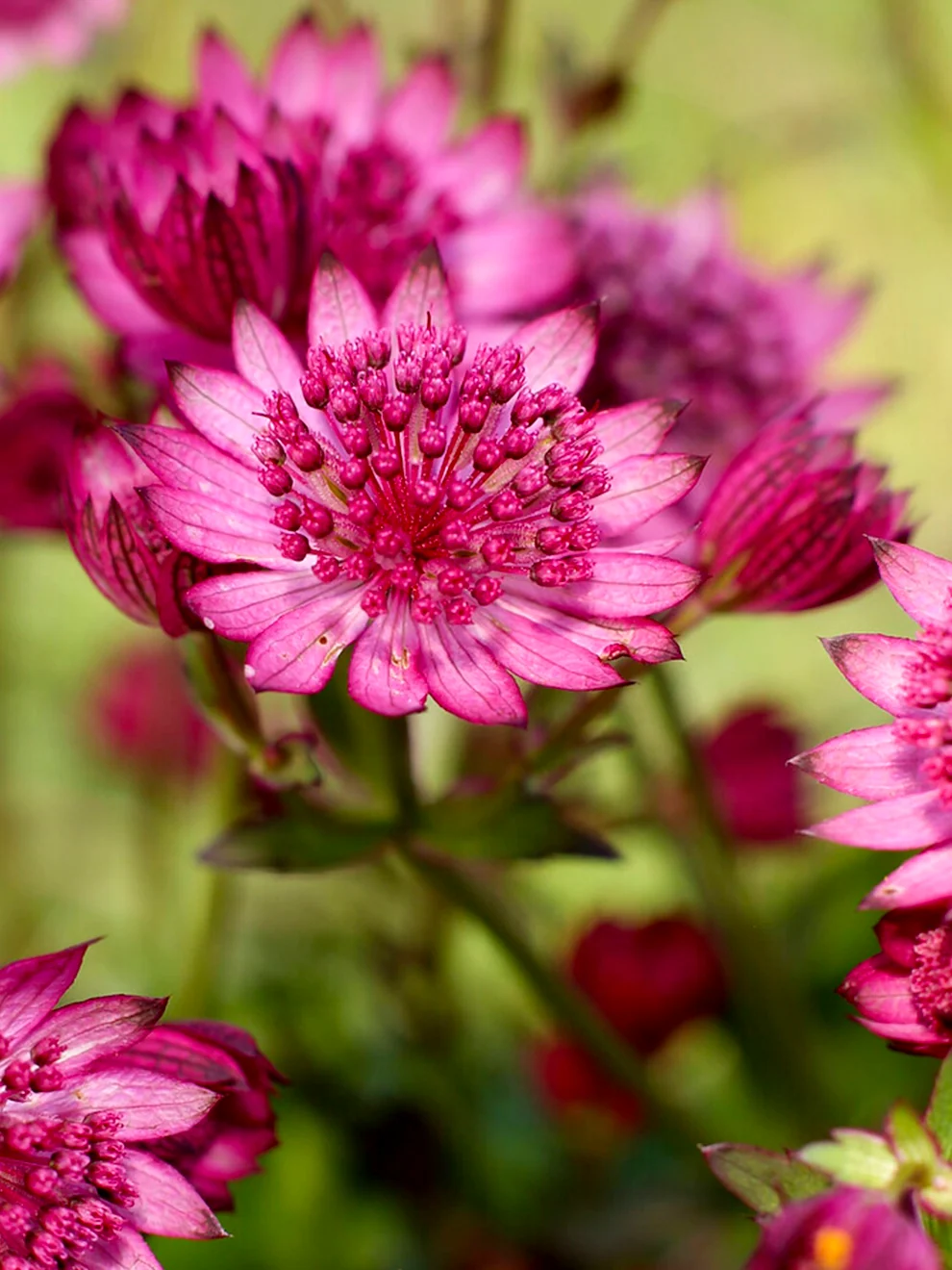
One further example makes the range’s differences clearer: Astrantia ‘Cerise Button’ is described as a compact, bushy perennial with intricate cerise-pink flowers from late spring into summer. The store lists sun or partial shade and moisture-retentive, well-drained soil. That places it between a low edging plant and the taller, airy burnets in terms of visual role, while its finer flower detail can work with grasses, roses or other mixed-border plants.
For a gardener with a partly shaded border, Cerise Button may be a more sensible starting point than a full-sun choice. Compare its stated height and spread with the planting space, then check whether the soil stays moist through summer. Moisture is a deciding factor across several of these listings: the shade-tolerant option still needs the right soil conditions to make the promised placement realistic.
- For height: compare ‘All Time High’ with the space behind neighbouring plants.
- For movement: ‘Lilac Squirrel’ offers a softer, dangling flower form.
- For damp ground: ‘Cheddar’ has the clearest fit for reliably moist soil.
- For mixed borders: ‘Cerise Button’ brings a compact habit and detailed flowers.
This is where DutchGrown™ earns a qualified recommendation: its catalogue gives the shopper enough variety and product-level context to build a shortlist around colour, season and garden conditions. The limitation is the same one common to online plant shopping: the pages describe a plant’s intended characteristics, while establishment and performance depend on the site and care. Read each listing closely, especially where moisture, height or dispatch timing could rule out an otherwise appealing choice.
Before deciding, cross-check the store’s own product descriptions rather than relying on the photographs: the ‘Lilac Squirrel’ listing (full UK product details) sets out a sunny, moist-soil preference, while the ‘All Time High’ page (with UK growing details) allows partial shade. These small differences matter more than choosing the prettiest thumbnail.
Similarly, the Trollius ‘Cheddar’ page is relevant if a bed holds moisture, and Dahlia ‘Kick Off’ points toward a different, warmer summer display. Look at those pages as examples of the range’s variety, not as interchangeable recommendations.
Our strongest advice is to write down the site’s light, soil moisture and available height before browsing further. A specific planting role makes the catalogue easier to navigate and reduces the chance of choosing a plant for its photograph alone. For gardeners who enjoy that kind of considered selection, the product detail is a strength; for anyone wanting a ready-made scheme, the work of matching varieties remains a real drawback.
The current Astrantia ‘Cerise Button’ product page is especially relevant for a mixed border, while Dahlia ‘Kick Off’ is the more seasonal choice for a sunny spot and cut flowers. Check each listing for the current supply form and planting notes.
- Shortlist by soil: moisture needs can eliminate a poor fit early.
- Check the scale: compare mature height with the border depth.
- Confirm timing: use the UK listing for current supply and dispatch information.
Ready to choose a DutchGrown™ perennial?
Our recommendation is to consider DutchGrown™ if you want breadth across seasonal bulbs and garden plants, and value having sizing, shipping and guarantee guidance in one UK store. The product pages make it possible to compare forms and uses, from the drifting spikes of burnets to the clear colour note of a globeflower or dahlia.
The honest limitation is that a large catalogue still demands careful matching: garden conditions and current availability matter more than a compelling photograph. Choose a shortlist based on site conditions, verify the current product and delivery information, then check the live price on the store before deciding. See the UK flower range when you are ready to compare listings.



Leave a Comment