


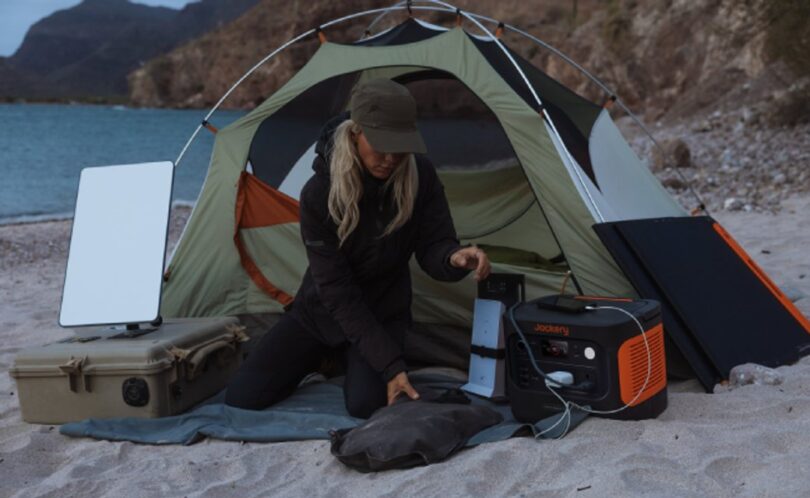
There is a particular kind of freedom in taking your own power with you. A campsite becomes more comfortable, a caravan feels less dependent on a hook-up, and a short outage at home is less alarming. I spent time looking closely at the Jackery Explorer 1000 v2, the specific portable power station that feels most balanced in the current UK range. It is substantial enough for real appliances, yet still shaped around moving between the house, car and outdoors.
The Explorer 1000 v2 is listed at £899.00 on the product catalogue I reviewed. That makes it a considered purchase, but the proposition is clearer than a fuel generator: store energy, recharge from the mains, car or solar, then use several outputs wherever you need them. You can view the Explorer 1000 v2 product page while checking today’s price, availability and the exact box contents.
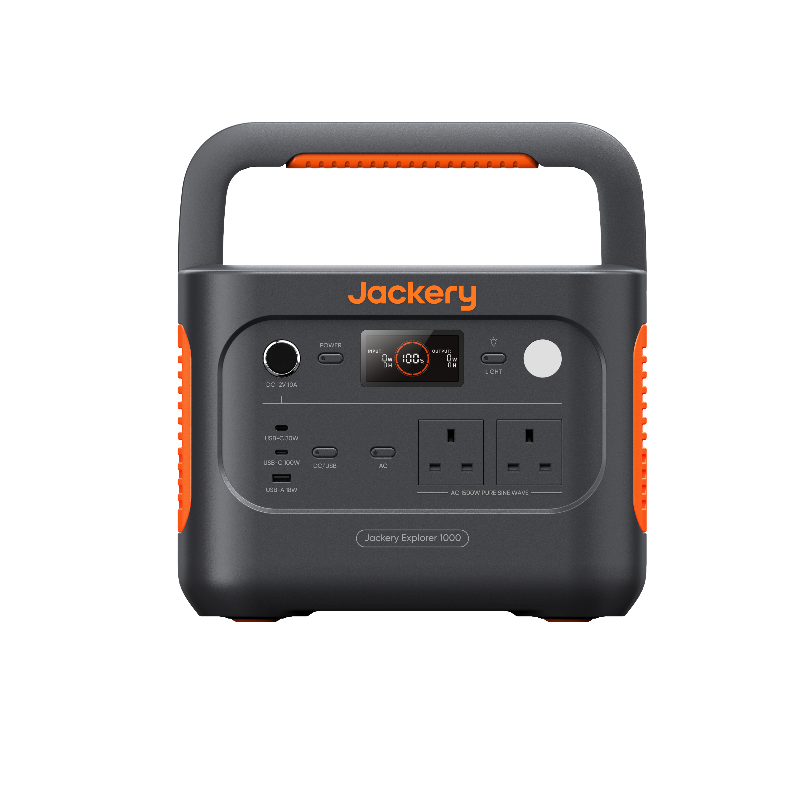
Why the Explorer 1000 v2 is the standout
Portable power stations can look interchangeable until you match capacity to the way you actually live. The Explorer 1000 v2 has 1070Wh capacity and a 1500W rated output, giving it more breathing room than a pocket-sized battery pack. In practical terms, it is aimed at keeping several smaller devices running while also handling selected higher-draw essentials, rather than merely topping up a phone.
- Useful middle ground: enough capacity for a weekend kit, remote work set-up or sensible emergency reserve.
- 1500W output: suited to more than USB gadgets, subject to each appliance’s starting and running demand.
- Multiple recharging routes: use mains power, a vehicle or a compatible solar panel.
- Portable format: easier to carry and store than a conventional petrol generator.
That middle-ground character is the reason I would start with this model. The smaller Explorer 240 v2 is neat for lights, laptops and phones, but its 256Wh capacity is a different proposition. At the other end, the Explorer 2000 v2, listed at £1,399.00, gives you 2042Wh and 2200W rated output for heavier or longer-running plans. The 1000 v2 keeps the decision more manageable for most households.
What it feels like to use day to day
The best use case is not one dramatic emergency. It is the accumulation of small moments when a socket is inconvenient or unavailable. I can see the Explorer 1000 v2 earning its space in a boot for a weekend away, beside a desk during a short power cut, or in a shed where a long extension lead would be awkward. Jackery’s own use-case pages also point to camping, fishing, caravans and off-grid living, which makes the product feel designed for movement rather than a utility cupboard alone.
- Camping: run lighting, phones, camera batteries and selected small appliances without fumes around the tent.
- Caravan trips: add flexibility when a pitch has no hook-up or when you want a quieter evening outside.
- Home backup: keep communications, lighting and essential low-to-medium draw devices available during an interruption.
- DIY and garden work: take power to a shed, garage or project area without planning the cable route first.
There is a useful psychological difference here. A petrol generator asks you to think about fuel, noise, ventilation and starting procedures. The Explorer 1000 v2 asks you to think about charge level and load. It is still important to check the wattage of every device, but the experience is more domestic: plug in what you need, read the display, and keep an eye on the remaining percentage. Jackery’s portable power station range is organised around those everyday scenarios rather than one narrow technical audience.
Solar charging is the feature that changes the rhythm
Mains charging is convenient, but solar is what makes a power station feel like a system rather than a large battery. Jackery pairs its generators with foldable SolarSaga panels, and the SolarSaga 200W Solar Panel is listed at £629.00. Its 25% conversion efficiency and IP68 waterproof rating make it a credible companion for outdoor planning, although real-world charging depends on weather, orientation, season and the rest of the set-up.
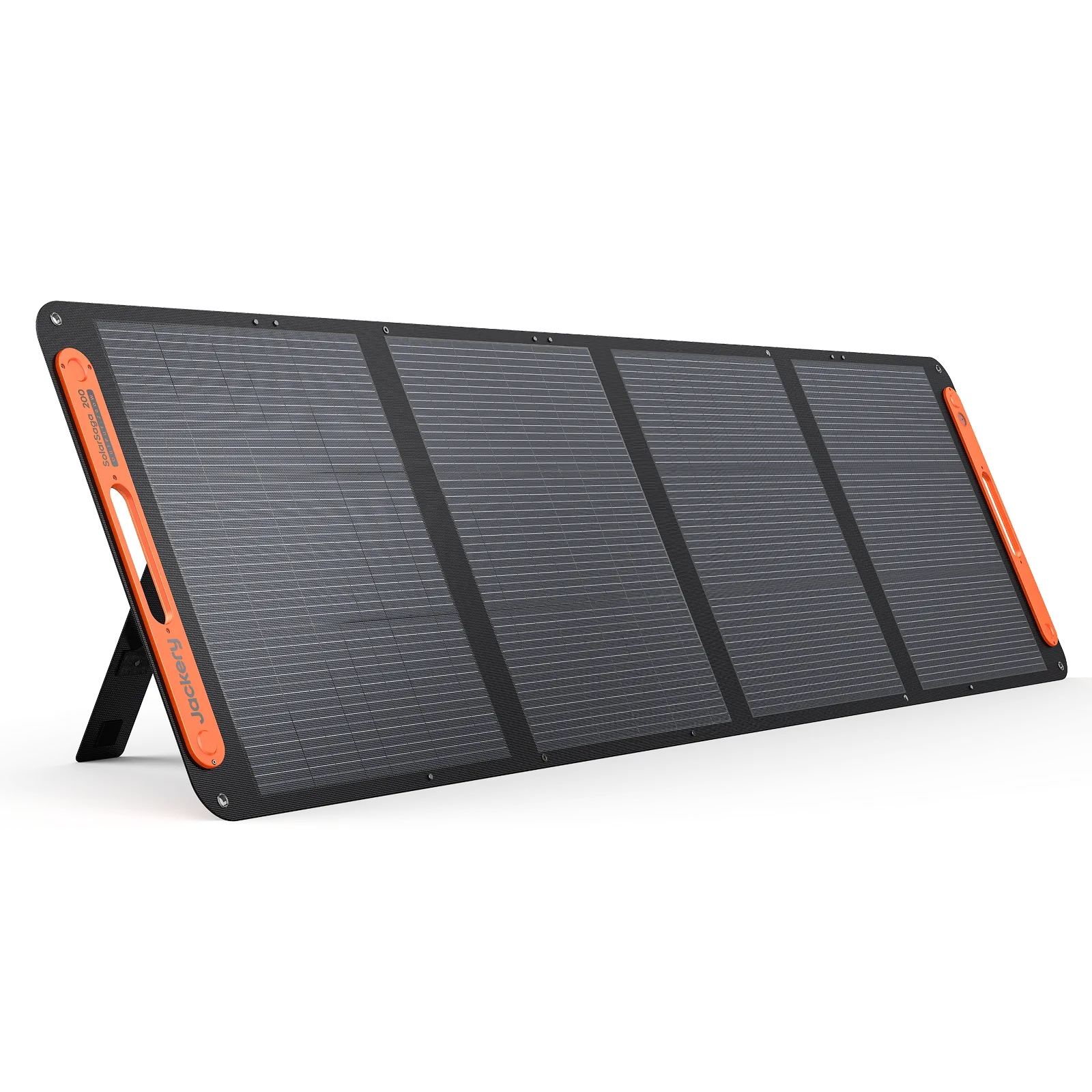
For a short trip, I would arrive with the Explorer 1000 v2 charged from the mains and use solar to extend the stay. For off-grid use, the panel becomes more central: place it where it can see the best light, connect it during the day, and reserve stored energy for evening use. This is a slower, weather-dependent workflow, but it reduces the need to carry fuel and gives the whole arrangement a quiet, low-maintenance feel.
- Before leaving: charge the station fully and check cables, adapters and the panel connection.
- At the location: position the panel in open light and keep the power station protected from unnecessary moisture.
- During use: prioritise the devices you need and avoid assuming every appliance will fit within the output rating.
- Afterwards: store the unit with the charge level recommended in its guide and keep accessories together.
That preparation is part of the buying experience too. Before paying, I would open the specific Explorer 1000 v2 listing and confirm whether a promotion, accessory bundle or delivery promise has changed. Then I would compare the panel separately with the current Jackery solar panel selection, since a bundle can make more sense than assembling a system one item at a time.
How it compares with the bigger choices
The larger models are not simply better; they are better for particular loads and longer periods. The Explorer 2000 v2 is the choice for buyers who expect to power more demanding appliances or want a deeper reserve. Its 2042Wh capacity and 2200W output create useful headroom for home backup, caravan life and serious outdoor equipment. The Explorer 2000 v2 page is the one to inspect if a 1000W-class station feels borderline.
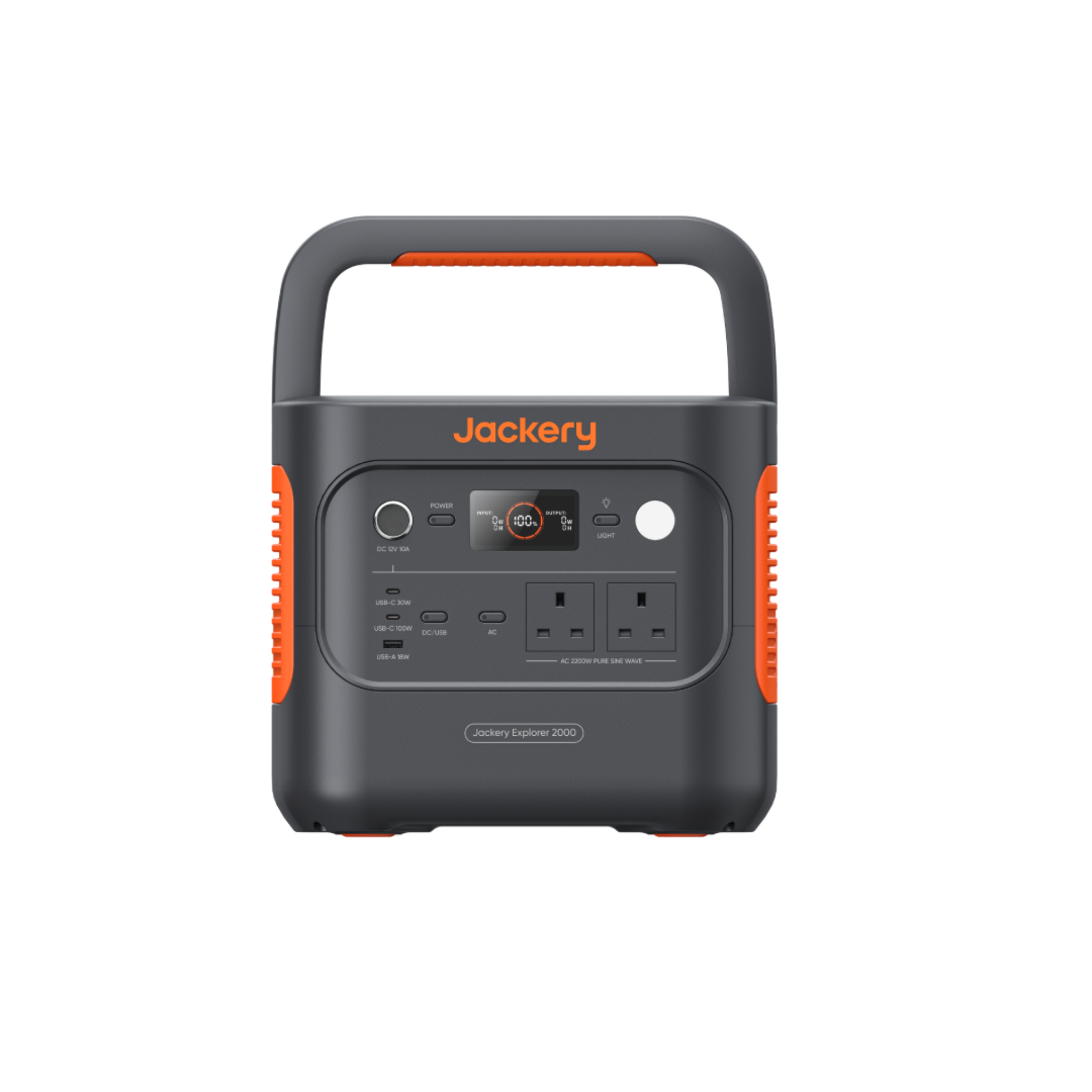
The Explorer 3000 v2 goes further with 3072Wh capacity and a LiFePO4 battery, and is listed at £2,299.00. That is a serious home-backup or basecamp purchase, not the casual weekend option. Its product page is worth a look when your priority is duration and appliance headroom, but its size, price and weight make the Explorer 1000 v2 more appealing for people who will carry their station regularly.
- Explorer 1000 v2: the balanced pick for camping, travel, work and moderate backup.
- Explorer 2000 v2: the upgrade when higher loads and longer reserve matter more.
- Explorer 3000 v2: the serious option for extended backup and demanding equipment.
- SolarSaga 200W: the add-on that makes renewable recharging practical for longer trips.
One final comparison point is portability. The smaller compact Jackery power stations make sense if you mostly want phone charging and lights. The 1000 v2 crosses the threshold into genuinely useful household and outdoor power, while staying less intimidating than the biggest units. That is why I would call it the best all-round starting point, not the universal answer.
The buying details I would check
Jackery’s UK site provides product pages, support resources, user guides and routes for warranty or order help. I like that the shopper can move from a model page to delivery and support information without leaving the brand ecosystem. Still, prices and stock are live details, so treat the figures here as a snapshot from research and check the destination before committing.
- Confirm the exact model name, included charger and current price.
- List the devices you expect to run and check their continuous and start-up wattage.
- Decide whether mains and car charging are enough, or whether a SolarSaga panel fits the trip.
- Check dimensions, weight, delivery timing and the applicable UK support or warranty information.
- Keep the product page open while comparing any bundle discount against buying components separately.
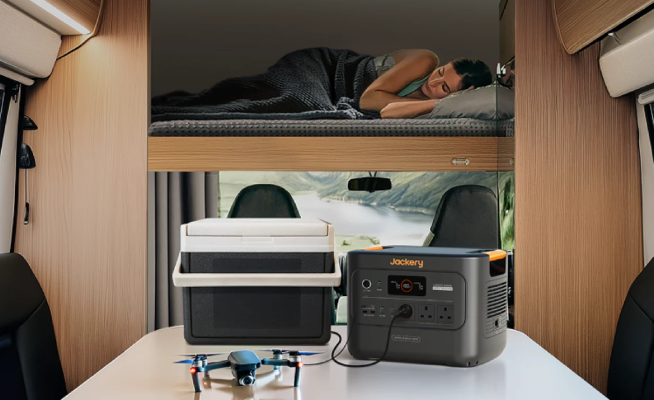
My verdict is straightforward: the Jackery Explorer 1000 v2 is compelling because it solves several real problems at once. It is not the cheapest way to charge a phone, and it cannot replace an unlimited mains supply. But for people who camp, travel by caravan, work in a garden room, or want a calm backup for essentials, its capacity, output and recharge options form a convincing package. The right next step is to check the Explorer 1000 v2’s current price and availability against your actual load list.
| Product | Best for | |
|---|---|---|
| Explorer 1000 v2 | Balanced outdoor and home backup | See price |
| Explorer 2000 v2 | Higher loads and longer reserve | See price |
| Explorer 3000 v2 | Extended backup and demanding equipment | See price |
| SolarSaga 200W | Solar recharging for longer trips | See price |
If the Explorer 1000 v2 matches the way you travel or prepare at home, start with the live product details and build from there. The Jackery collection

Leave a Comment