


Choosing a topical CBD cream can be harder than the product names suggest: listings often lead with a cannabinoid amount, while shoppers still need to compare the formula, intended use and the information available before buying.
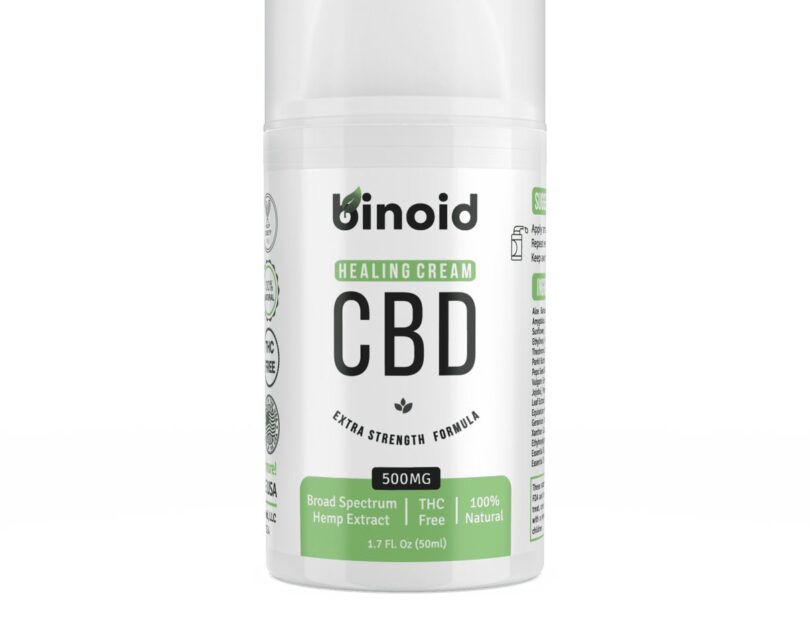
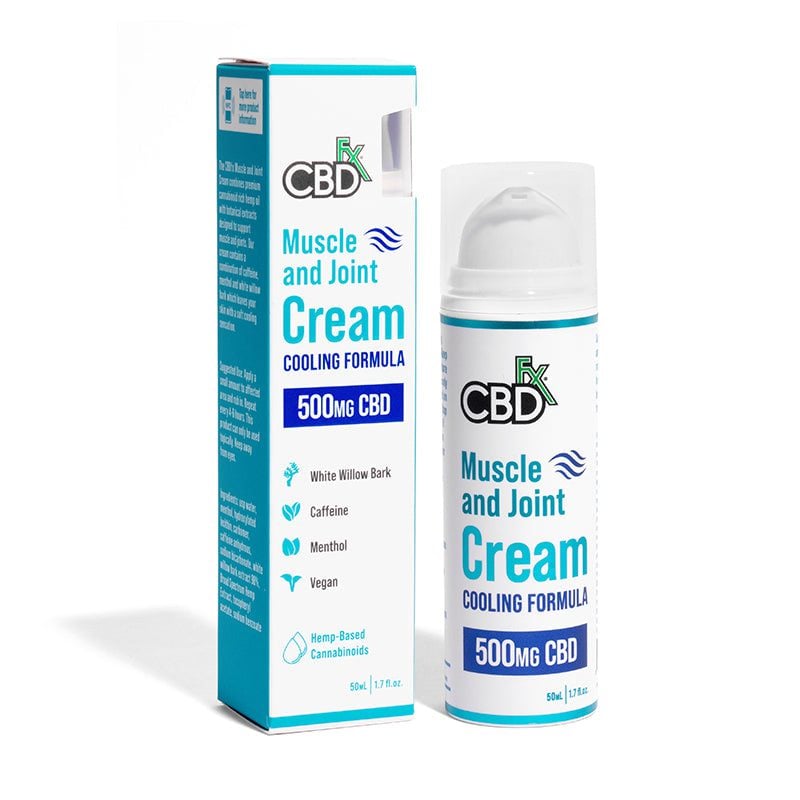
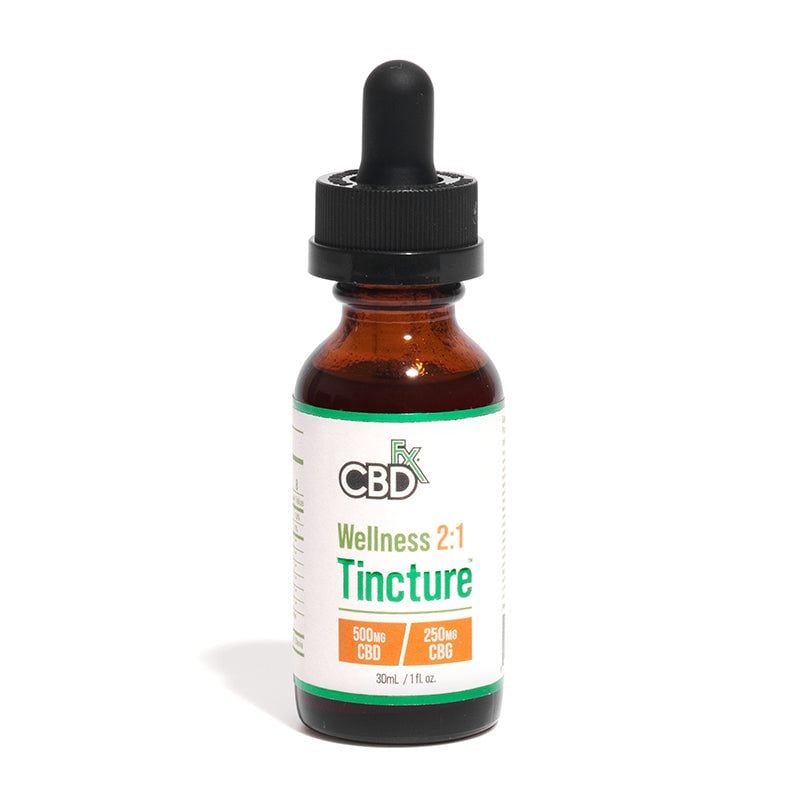
We reviewed the topical range shown on Binoid CBD‘s store as a catalog, looking at how the products are presented and where the listings leave questions. The range includes the brand’s own Healing Cream and muscle-and-joint creams from CBDFx, giving readers more than one label and strength to assess. You can inspect the Binoid CBD Healing Cream 500mg Extra Strength alongside the CBDFx CBD Cream 500mg Muscle & Joint listing.
The useful part is that the pages identify topical format and listed cannabinoid amount; the limit is that those details alone cannot establish which formula is right for a particular person. We treat this as a review of the shopping information and range fit, not a claim about medical results. For a broader look at what’s currently listed, open Binoid CBD topical options and compare the product page details before deciding.
Some links in this article are affiliate links: if you make a purchase through them, we may receive a small commission.
Before you read on: Binoid CBD is worth considering if you want to compare topical creams by brand line and labeled cannabinoid amount in one store. Its main strength is a small, legible choice between Binoid-branded and CBDFx creams; its main limit is that shoppers still need to verify current ingredients, documentation, directions and price on each listing.
What does Binoid CBD offer in topical creams?
The topical section centers on two product families rather than one uniform house formula. Binoid CBD Healing Cream appears in 250mg and 500mg listings, while CBDFx CBD Cream Muscle & Joint is listed in 500mg and 1000mg versions. That gives a reader a straightforward starting comparison, but product names and amount labels do not tell the whole formulation story.
The Binoid CBD Healing Cream 250mg page is the lower-amount option within its Binoid pair. The 500mg Extra Strength version is the higher-amount listing in that pair. Separately, the CBDFx 500mg cream and CBDFx 1000mg cream make the same sort of labeled-amount comparison within the CBDFx line. Current product pages are the place to check the formulation and available package choices.
- Brand line: Binoid Healing Cream or CBDFx Muscle & Joint Cream.
- Listed amount: compare the amount on the exact product page and package.
- Formula details: read the ingredients and use directions rather than inferring them from the name.
- Documentation: check whether relevant lab results are linked for the exact product.
Which cream is easiest to compare?
For a like-for-like first pass, compare products within one line. The 250mg Binoid Healing Cream and 500mg Binoid Healing Cream share a product family, so the listed amount is an obvious differentiator to verify. The store’s own naming calls the 500mg version Extra Strength; that is the brand’s label, not independent evidence of a stronger effect.
Readers who want to compare another brand line can look at the CBDFx 500mg Muscle & Joint Cream next to the CBDFx 1000mg Muscle & Joint Cream. The visible strength labels create a useful shortlist, but amounts across different products are not a direct measure of value or expected outcome. Check serving or application directions, total product quantity and full ingredient list where provided.
- Start with the same product family when comparing labeled amounts.
- Read the complete ingredient list for sensitivities or ingredients you avoid.
- Look for directions and warnings on the current product page and packaging.
- Compare the package quantity and current listed price, not the amount label alone.
What are the strengths of the range?
The first strength is choice without a sprawling shortlist. A reader can compare two labels in each of two lines, rather than sorting through dozens of near-identical topical options. The Binoid CBD 500mg listing is a clear example of the house line, while the CBDFx 500mg listing introduces a second brand and product name for shoppers who want another option.
The second strength is that the catalog identifies product format and listed cannabinoid amount. Those are practical sorting details: they help narrow what to read next. The brand also says its site provides a lab-results section, which is a useful starting point for checking documentation. We would still look for results tied to the exact product and batch before treating a general lab-results link as confirmation about an individual item.
Finally, the pairings make comparison manageable. A shopper can view the 250mg Binoid cream beside its 500mg counterpart, or compare CBDFx 500mg with CBDFx 1000mg. That structure supports a more deliberate decision than choosing by a single strength label.
A practical way to read these product pages is to separate what the store states from what remains a personal or clinical question. The listing can identify format, amount, ingredients and directions; it cannot tell a reader whether a topical product is appropriate for them. That distinction keeps the review useful without turning a label into an efficacy claim.
- Store-stated: product line, topical format and labeled amount.
- Verify: ingredient details, directions, warnings and product-linked lab records.
- Personal decision: fit, potential interactions and whether to consult a clinician.
Where does the product information fall short?
A labeled amount is not a recommendation. These pages’ amounts do not tell us how much an individual should apply, how a product will feel, or whether it is suitable for a health concern. We found no basis in the cached store information to make treatment claims, so readers should not treat the brand’s category or product names as proof of benefit.
A second limitation is that cross-line comparisons can be misleading. The Binoid Healing Cream and CBDFx Muscle & Joint Cream have different branding and may have different formulas. A larger number on one label does not by itself show better value, greater suitability or a comparable composition. Check the ingredient panel, total quantity, directions and current price on each exact listing. The 250mg page and 1000mg page are useful examples of why amount labels should be read in context.
- Do not infer ingredients, absorption or results from the product name.
- Confirm the exact product’s lab documentation rather than relying on a general site claim.
- Check current directions, warnings and local rules before purchase or use.
- Ask a qualified healthcare professional about interactions, pregnancy, medication or an ongoing condition.
Who is this range likely to suit?
The range is most useful for comparison-minded shoppers who already want to investigate topical CBD products and prefer a short list with identifiable brand lines and amount labels. It can also suit a comparison-minded reader who is comfortable checking the product details rather than expecting the name alone to answer ingredient or use questions. Start with the Binoid 250mg listing and Binoid 500mg listing if you want to compare the house line.
Readers who want a second label to weigh can add CBDFx 500mg and CBDFx 1000mg. In contrast, this range is a poor fit for anyone seeking a guaranteed medical outcome, a personalized treatment recommendation or a product they can choose without checking ingredients and directions. A topical listing cannot replace professional advice.
- Choose whether you want to compare within one brand line or across lines.
- Open the exact product page and note the full ingredients and directions.
- Look for product-specific documentation and read any warnings.
- Compare package size and current price, then ask a clinician if suitability is uncertain.
What should you read on each product page?
Treat the store page as a product record that needs a careful read. Begin with the exact name and brand line, since similar category terms can cover different products. The Binoid Healing Cream 500mg listing identifies the product as Extra Strength in its name, while CBDFx Muscle & Joint Cream uses a different brand and purpose label. Names help you find a page; they are not substitutes for reading the composition or directions.
Next, read the full ingredients and package information. A topical product can include ingredients beyond its headline cannabinoid, and those may matter more to a shopper with an allergy or sensitivity. Check the amount for the whole product and whether the page explains how that amount is presented. The Binoid 250mg page and CBDFx 1000mg page show why the amount is only one comparison point: the listed number does not by itself explain how much to apply or how the formulas compare.
Then look for use instructions, warnings and storage information on the product page and package. If directions are unclear, do not fill in the gap by borrowing instructions from a different cream. A page that makes a product easy to locate still may not answer every question a cautious shopper has. Check whether the product is currently available, what the package contains and whether the posted details describe the exact version selected.
Finally, examine any lab documentation. The brand describes a lab-results section, but a general resource is only a starting point. Look for a report that names or otherwise clearly matches the specific product, and read its date and scope. If you cannot connect a result to the item you are considering, treat that as an unresolved question and contact the store before relying on it.
- Check the product name and selected version.
- Read the ingredient panel and directions for that exact item.
- Confirm that any lab report actually applies to the product.
- Recheck current availability and price before purchase.
What are the practical pros and cons?
Pros: the topical set is presented in recognizable product families; shoppers can compare labeled amounts within the Binoid and CBDFx lines; and the store’s navigation gives topical creams their own place in the wider catalog. The Binoid 250mg cream and Binoid 500mg cream form the clearest same-line comparison, while the CBDFx 500mg and CBDFx 1000mg listings provide a second pair.
Cons: the label does not answer suitability, and an amount comparison across separate formulas is not a like-for-like performance test. Shoppers still need to establish which ingredients they are comfortable with, understand the actual directions and find product-specific supporting documents. The brand’s product names also use intended-use language; that wording should not be read as proof that the cream treats pain or any other condition.
This balance makes the range a better fit for an informed shortlist than a quick prescription-style choice. Readers comparing by labeled amount can narrow the pages they inspect, but should choose only after considering formula details, package size, current price and their own health context. If those details are unavailable or confusing, pause and ask a qualified professional or the seller for clarification.
Price is another comparison detail to check at the moment of purchase rather than assume from the amount on the label. The store may change a listing, package option or availability over time. Compare the current cost alongside the quantity, ingredient list and instructions shown for the selected version. A lower amount is not automatically a lower cost per use, and this review does not make a value claim without the current package and price in front of the reader.
Availability matters too. One product page can be purchasable while another is temporarily unavailable, and a backorder or changed listing can affect how useful a shortlist is. Review the page title, selected variation and status immediately before purchase. Save the exact item name if you are comparing options, so the package you revisit later is the one you originally assessed.
We would also keep expectations modest. The store presents products, brand descriptions and links to documentation; this review cannot independently verify the contents of a package or the meaning of a lab result. A report can answer a narrow question about what was tested, but it does not establish a personal outcome or replace medical guidance. Readers should separate product information from claims about treatment.
What do shoppers often ask about Binoid CBD creams?
Does a higher labeled amount mean a better cream?
No conclusion about personal fit follows from the number alone. It can help distinguish variants within a product family, but it does not tell you how to use the product, how the formula compares or whether it is appropriate for you. Review directions and ingredients for the exact listing, and avoid treating the Binoid or CBDFx amounts as directly interchangeable.
What lab report should I look for?
Look for documentation that is clearly associated with the exact topical product you plan to buy. Check its product name or identifier, date and what was analyzed. A site-level link to lab results does not automatically establish that a specific report covers a particular item or current batch, so ask the brand if that connection is not clear.
Can this review tell me whether CBD cream is right for me?
No. This review compares how the store presents its options, not medical suitability or results. People using medication, managing a condition, pregnant or nursing, or uncertain about topical ingredients should ask a qualified healthcare professional before use. Follow the current package directions and local rules.
How should you compare the current options?
Use the table as a shortlist, not as a ranking of likely effects. The “best for” descriptions reflect the catalog structure and labeled options only. Follow each product link to confirm current ingredients, package choices, directions, documentation and price; listings can change.
| Product | Best for | |
|---|---|---|
| Binoid CBD Healing Cream 250mg | Comparing the Binoid line’s lower labeled amount | See price |
| Binoid CBD Healing Cream 500mg Extra Strength | Reviewing the higher labeled amount in Binoid’s pair | See price |
| CBDFx CBD Cream 500mg Muscle & Joint | Considering the separate CBDFx line | See price |
| CBDFx CBD Cream 1000mg Muscle & Joint | Comparing the higher labeled amount in the CBDFx pair | See price |
The table does not account for a reader’s health history or the differences between formulas. Use it to visit the relevant listings, then base any decision on the current product information. For general store navigation, view Binoid CBD’s topical collection and return to the exact cream page before checking out.
Ready to compare Binoid CBD topical creams?
Our recommendation is conditional: the range is worth shortlisting if you want a small set of topical options and are prepared to check the details yourself. The clearest starting point is to compare the two Binoid Healing Cream listings, then add a CBDFx cream only if you want to assess a separate product line.
The honest limitation is that catalog labels cannot establish personal suitability or medical value, and current ingredients, documentation and prices need to be checked on the store. If those details meet your needs, compare the current product pages before making a choice.



Leave a Comment