



If your power station is useful on a road trip but slow to replenish between stops, a charger that can draw from the vehicle and solar panels sounds appealing. BLUETTI’s Charger 2 is built around that specific problem.
This review looks at what the Canadian product page actually lists, where the dual-input design could fit, and the questions to settle before adding it to an RV or off-grid setup. The product details below come from BLUETTI’s Canada storefront; we have not tested the device.
For readers comparing the BLUETTI Charger 2 with a basic vehicle charging option, the key distinction is that BLUETTI describes alternator and solar inputs working as a combined charging system, with PV-priority control. Whether that distinction matters depends on the way you travel and the power station you already own.
Some links in this article are affiliate links: if you make a purchase through them, we may receive a small commission.
Before you read on: The BLUETTI Charger 2 is most relevant to RV, camping, or off-grid users who want to charge while driving and have solar available too. Its listed ceiling is up to 1200W across an 800W alternator input and 600W solar input, but buyers should confirm compatibility, wiring, and the exact supported configuration before ordering.
- Core use: add charging options to a compatible mobile power setup.
- Inputs listed: vehicle alternator and solar.
- Main check: confirm the connected station and installation are supported.
What does the BLUETTI Charger 2 actually add?
The short product description for the BLUETTI Charger 2 calls it a dual DC charger for alternator and solar input. It lists up to 1200W dual-input charging, divided into up to 800W from an alternator and up to 600W from solar, alongside a PV-priority control mode. Those are the central facts to weigh; the listing does not establish that every compatible source will deliver its maximum in every installation.
That combined-input pitch is aimed at mobile energy rather than a home backup circuit. A vehicle can be moving during part of a trip, while solar availability changes with weather, season, shading, panel placement, and how long a vehicle stays parked. A system that can draw from both sources gives an owner more than one potential charging path, but actual charging depends on the setup and conditions.
The Charger 2’s 1200W figure should therefore be read as a stated upper combined rating, not as a guaranteed rate. BLUETTI separately lists 800W alternator and 600W solar inputs, and the arithmetic sum is higher than the combined figure. That makes it sensible to verify how the product allocates input power and what each source can supply in the intended installation.
- Alternator input: listed up to 800W, for charging from a vehicle’s electrical system while travelling.
- Solar input: listed up to 600W, for a compatible solar source when available.
- Combined ceiling: described as up to 1200W across the two inputs.
- Control detail: PV-priority is named, but the short listing does not explain every operating mode or setting.
- During a drive: alternator input is the relevant listed source.
- At a campsite: solar input may be useful when the panel and conditions support it.
- Between stops: the target power station and its own input limits still shape the result.
For those considering a BLUETTI Charger 2, the feature set looks most purposeful when a trip regularly moves between driving and parked time. A buyer who rarely travels with solar may value the alternator side more than the dual-input headline, while a vehicle that sits at a campsite could make solar priority more relevant. The purchase case comes from matching the sources to your routine.
How could dual-input charging fit an RV trip?
Think of the Charger 2 as one part of a charging chain, not as the battery that stores energy or the inverter that supplies AC power. Its role is to replenish a compatible power station from vehicle and solar sources. That distinction matters: a higher input rating does not tell you how much energy your station holds, which appliances it can run, or how long it will power them.
For an RV owner who drives between overnight stops, alternator charging may be useful because the vehicle is already in motion. At a destination, solar can offer another source if suitable panels are part of the installation. The practical benefit is flexibility between travel modes, rather than a promise that either source will keep a full battery at all times. Temperature, driving duration, panel output, loads, and installation limits still affect the result.
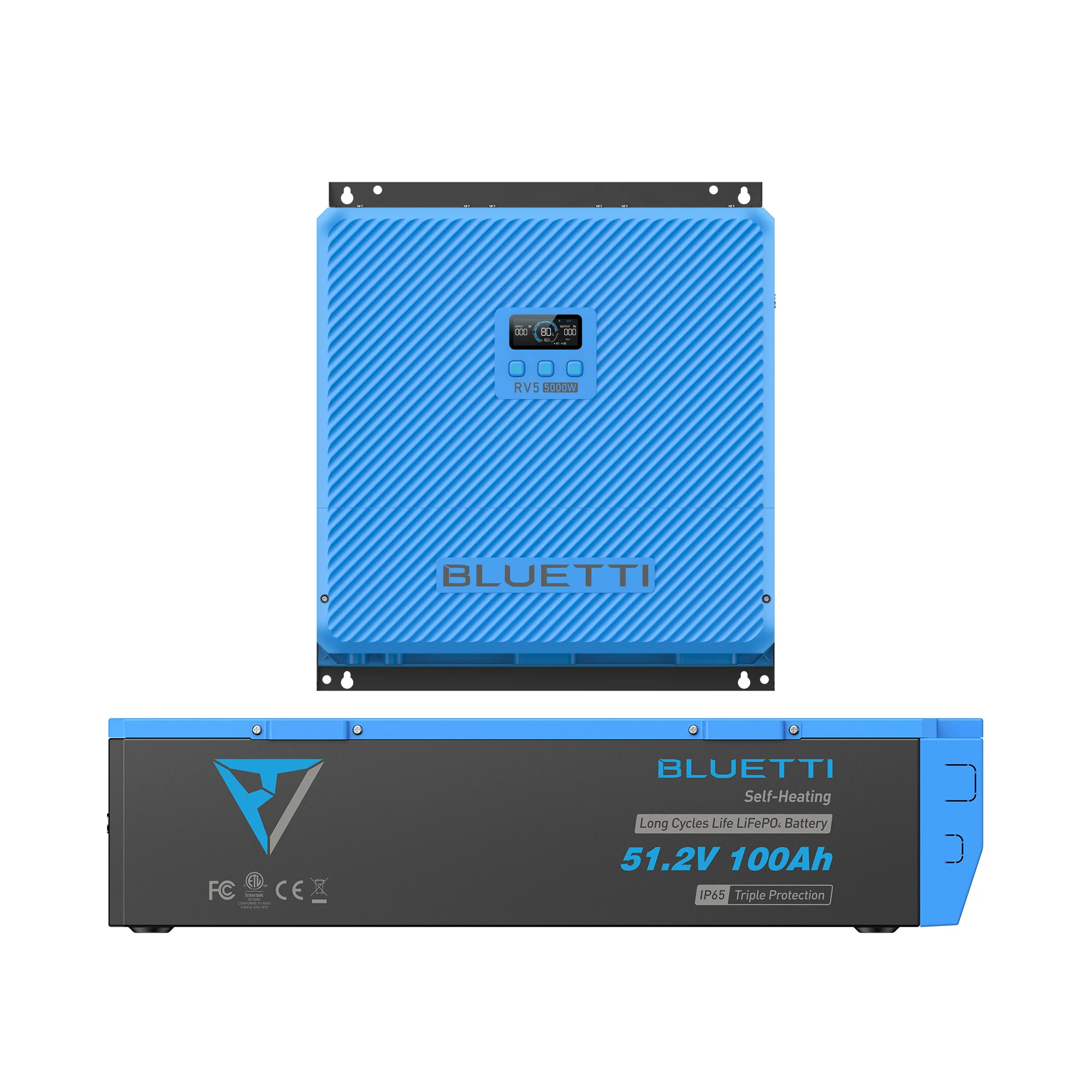
The Canadian store also lists a BLUETTI 5kWh Power Kit for van conversions. BLUETTI describes that setup with 48V output, a 5,000W AC rating, a LiFePO4 battery, and multiple charging methods that include alternator and solar. It helps explain the broader mobile-power context, but it is a separate, more integrated configuration; the product page does not say it is bundled with the Charger 2.
That distinction can guide the decision. If you already have a power station and want to improve how it recharges on the road, a standalone Charger 2 is the product to investigate. If you are starting a van build from the battery and system-design stage, compare the required components and installation scope of a kit such as the 5kWh Power Kit. They address related but different levels of a project.
- Write down the power station model and its supported charging inputs.
- Map the alternator, cable route, fuse and installation requirements for the vehicle.
- Record the solar panel’s output and connection details in the conditions you expect to use it.
- Estimate your travel pattern: hours driving, hours parked, and the loads that need replenishing.
This planning step is particularly important for the Charger 2, because its stated inputs do not by themselves confirm your vehicle’s electrical compatibility or guarantee a particular charge time. Ask BLUETTI support or consult the current manual if your exact configuration is not clearly identified on the store page.
What is strong about the Charger 2 concept?
The strongest point in the listing is source flexibility. Many travel plans do not fit neatly into a single charging window. With the BLUETTI Charger 2, BLUETTI brings vehicle alternator and solar input into one product description, giving a mobile setup two named ways to replenish a compatible station. That is a more specific proposition than simply saying a charger is for camping.
The second positive is that the Canadian listing identifies a concrete output ceiling and input split. Readers can start with the stated 800W alternator / 600W solar figures, then check whether their components can make use of them. A product page that names PV-priority control also gives prospective owners a useful feature to investigate in the manual instead of relying on a generic solar-charging claim.
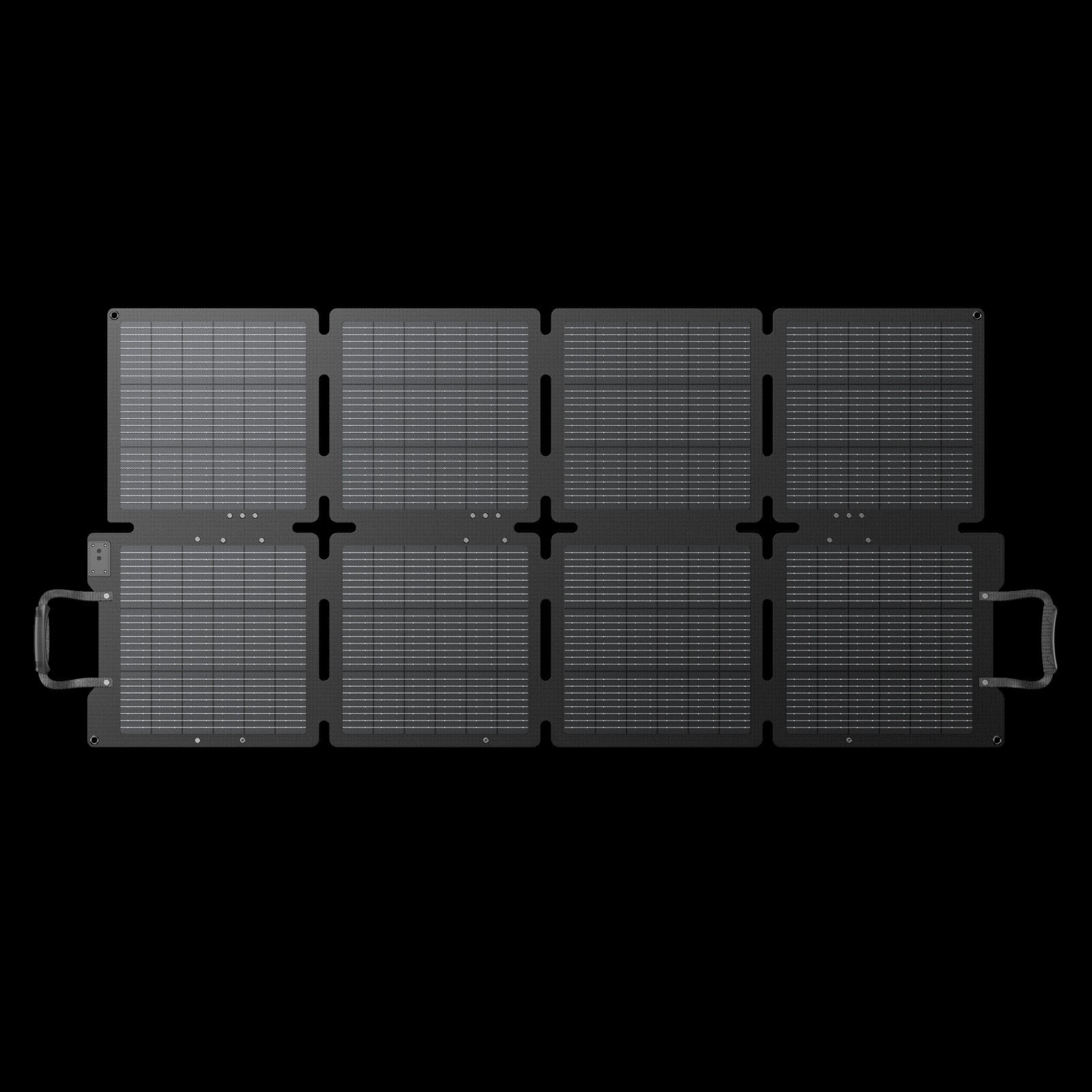
It can also make a solar-capable vehicle setup easier to think about as a system. A separate panel such as the BLUETTI SORA 130 represents a smaller portable solar option in the same store catalogue, though its listed name alone does not confirm compatibility with the Charger 2. Match connectors, supported voltage and current, and any required adapter before treating them as a pair.
Finally, the Charger 2 has a clear audience. It is easier to assess if you own or are planning a compatible BLUETTI power station, have an installation suitable for alternator charging, and can make use of solar at some stops. For occasional car camping with a small power bank, a dedicated dual-input unit could be more equipment than the trip calls for.
Where should buyers be cautious?
The limits begin with missing detail in the short product description. It states inputs, a combined rating and PV-priority control, but it does not spell out a complete compatibility list, the specific cable set in the box, installation instructions, or every condition behind its maximum ratings. Those questions may be answered elsewhere on the product page or in the manual, so check those materials before purchase rather than assuming.
Also, the phrase “up to” is important. It signals a ceiling under suitable conditions, not a typical result. A vehicle alternator’s available capacity, the vehicle’s operating state, solar conditions, the connected station, and system configuration can all matter. The listed BLUETTI Charger 2 figures do not establish the charging rate you will see in a specific van or RV.
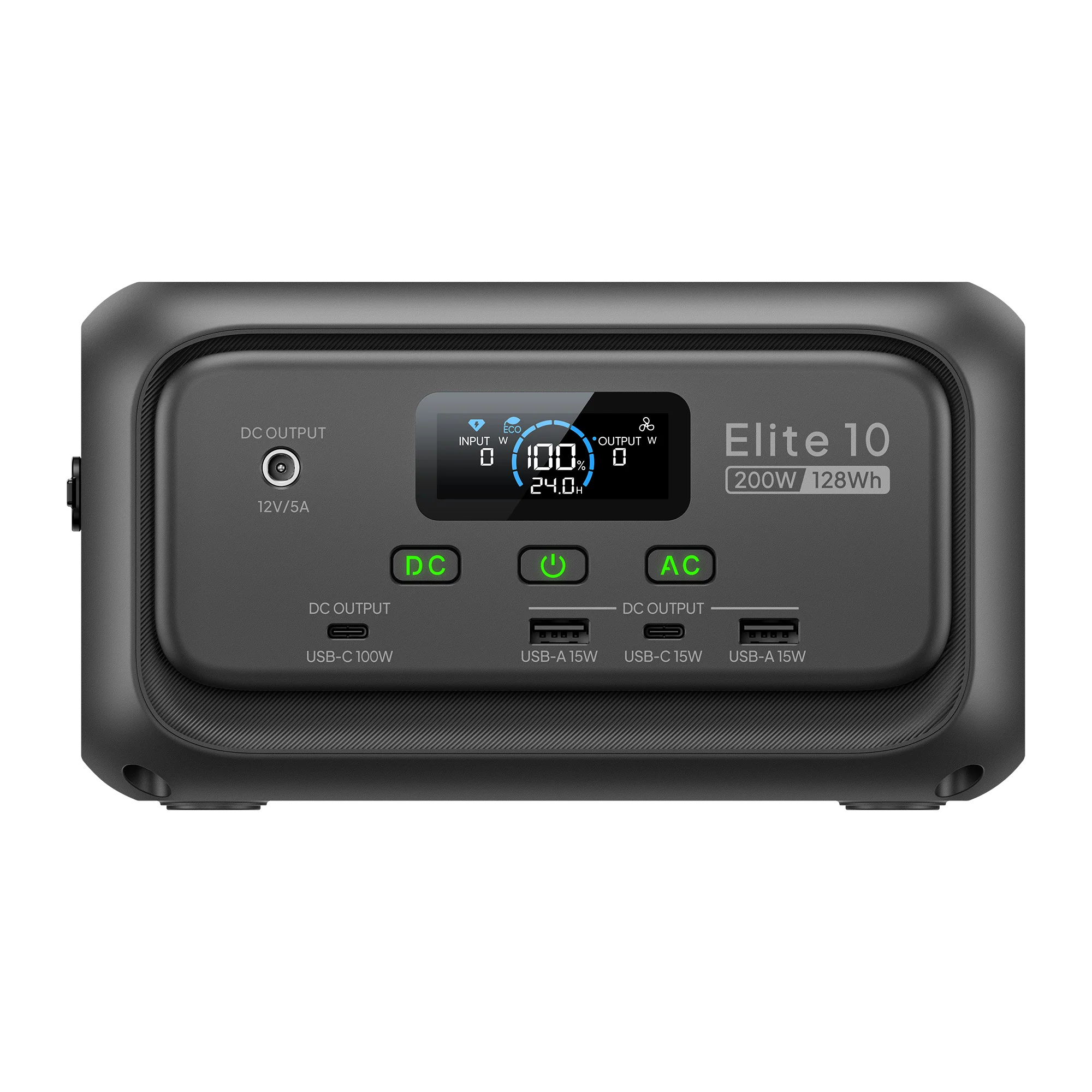
Capacity is another easy point of confusion. BLUETTI lists its Elite 10 Mini as a small portable power station with 128Wh capacity and 200W AC output. That gives readers a useful contrast: the station stores and supplies energy, while a charger moves energy into a compatible station. It is a different scale from a large RV system, and the store does not say the Elite 10 Mini pairs with Charger 2.
- Compatibility: confirm your exact station model and supported input path.
- Installation: check cable lengths, routing, fusing, mounting, and whether professional installation is appropriate.
- Solar matching: verify the panel’s electrical specifications and connector requirements.
- Included items: inspect the current Canadian listing for what arrives in the box and what must be purchased separately.
- Support and returns: read the store’s current warranty, shipping, and return terms for Canada.
These are not minor details for a product that connects into a vehicle and a battery system. A buyer who wants a simple plug-in accessory may prefer a power station with straightforward built-in charging options. The Charger 2 makes most sense to someone prepared to confirm the engineering and fit before installing it.

That category distinction is useful: a product like FridgePower is presented as a refrigerator backup, while the Charger 2 concerns charging a compatible mobile power station. They solve different jobs, so buyers should begin with the device or load they need to support.
How does it compare with other BLUETTI mobile-power options?
This is not a direct comparison of equivalent products. The Charger 2 is a charging component, while the other examples below are a system kit and a compact station. The short table is useful as a sorting aid: start with the role you need to fill, then check the relevant Canadian product page.
| Product | Best for | |
|---|---|---|
| BLUETTI Charger 2 | Adding alternator and solar charging to a compatible mobile setup | See price |
| BLUETTI 5kWh Power Kit | A larger van-conversion system with battery and power components | See price |
| BLUETTI Elite 10 Mini | Compact portable power for lighter everyday needs | See price |
The point of the Charger 2 is its charging role, not a storage capacity. A reader who already owns a power station may be looking for this missing link. Someone building a full van system may instead want to look at what the 5kWh Power Kit includes as a complete configuration. And someone who mostly needs portable low-load power should compare capacity and output in a station like the Elite 10 Mini.
The table should not be read as confirmation that these products interconnect. BLUETTI’s short descriptions do not provide enough detail to assert a compatible pairing. Use the exact product manuals and Canadian support information to confirm a system, especially before buying panels, adapters, or installation materials around the charger.
Who is the Charger 2 a good fit for?
We would shortlist the BLUETTI Charger 2 for a reader whose travel pattern naturally combines time on the road with parked solar charging. The strongest case is an RV or van owner who already has a compatible BLUETTI power station, wants more than one charging source, and is comfortable checking an installation before committing.
It is a weaker fit if you need a battery, if your power station has no confirmed support for its charging output, or if your vehicle use offers few charging hours. It may also be unnecessary when your existing charging method already covers the way you travel. The intended use should make clear how the Charger 2 would improve the setup, rather than just adding another device to manage.
- Consider it if alternator charging and solar both fit your travel plan.
- Check carefully if you are pairing it with equipment bought at a different time or from another brand.
- Look elsewhere in the range if your real need is energy storage, a complete RV system, or a compact standalone station.
The buying experience starts on BLUETTI’s Canadian product page, where readers can review the current configuration and price. The store also provides support and policy links; for a technical installation question, those are more useful than relying on a short product summary. Keep the exact model numbers and intended wiring layout handy when you ask.
Ready to check whether Charger 2 fits your setup?
Our recommendation is conditional: the BLUETTI Charger 2 is worth a closer look when you have a compatible station and can benefit from both alternator and solar charging. Its dual-input focus gives it a distinct role in a mobile system, with a listed combined charging ceiling of up to 1200W and PV-priority control.
The honest limitation is that the public summary leaves compatibility and installation questions open. Confirm those details in the Canadian listing and product documentation, and compare the cost of the complete setup you need rather than the charger alone. Readers who need a storage battery or an all-in-one van system should assess those products separately.




Leave a Comment