


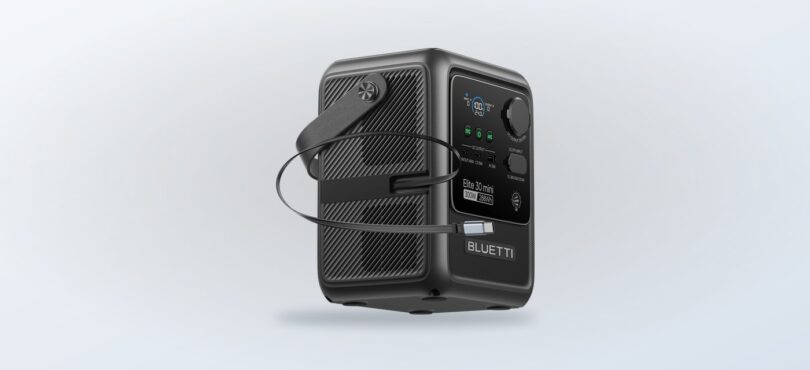
A portable power station can look like a simple answer to an outage or a weekend away, until capacity, output and portability start pulling in different directions. BLUETTI’s Canadian range spans small personal units, larger expandable stations and equipment aimed at one specific appliance.
We reviewed the Canadian store’s product information to see where that range makes sense and where buyers should pause. The useful question is not which model sounds most capable, but which one fits the load, location and amount of setup a household will actually accept.
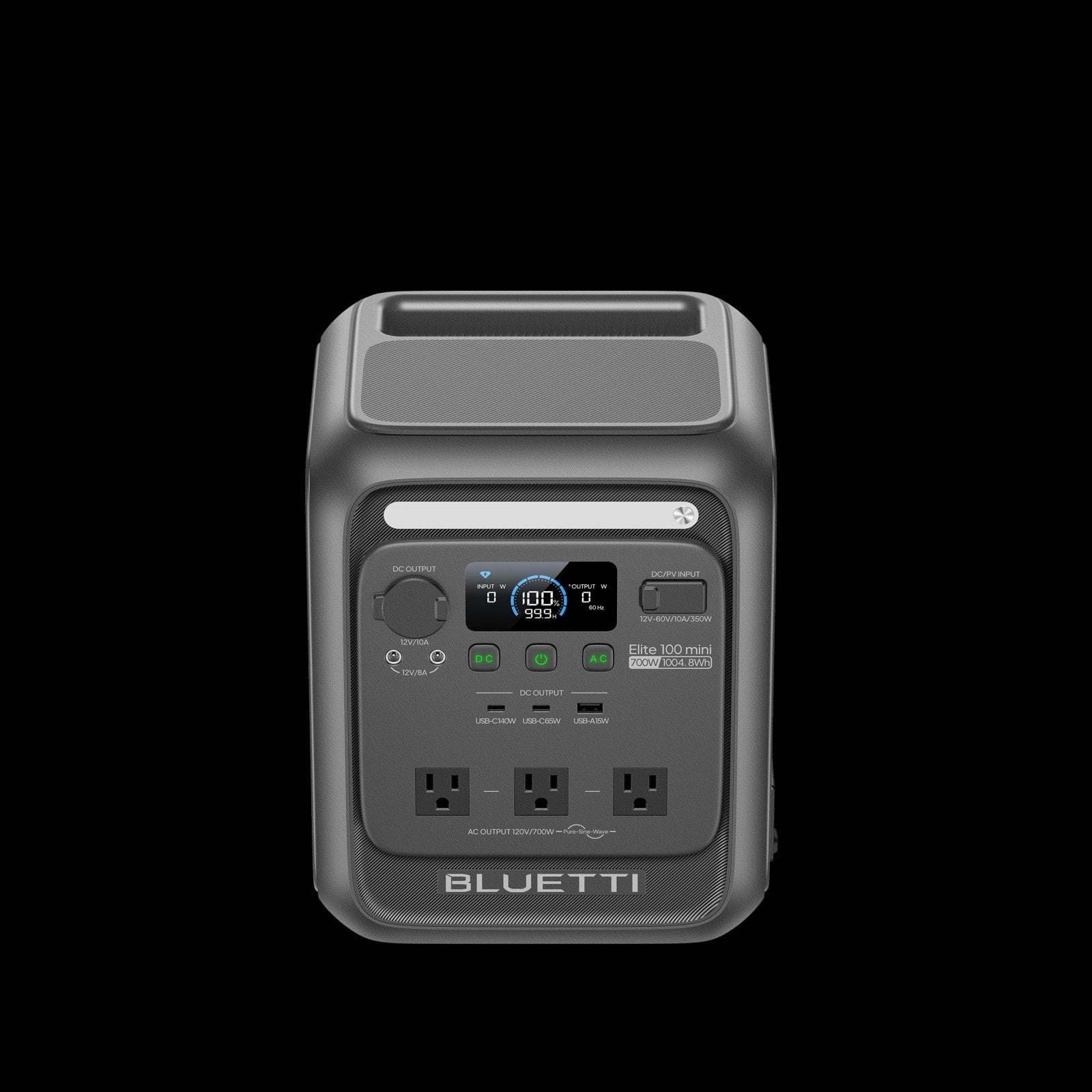
The product pages show meaningful differences: the Elite 30 mini is listed at 288Wh and 300W, the Elite 100 mini at 1,004Wh and 700W, and the Apex 200 is presented as expandable. FridgePower takes a narrower route, centring its design on refrigerator backup.
Some links in this article are affiliate links: if you make a purchase through them, we may receive a small commission.Before you read on: BLUETTI is strongest when a buyer can identify a clear power job and choose a station around it. The Elite 30 mini suits light, portable needs; the Elite 100 mini offers more capacity for broader backup; and the Apex 200 is the more involved path for expansion. The trade-off is that capacity, accessories and portability all need checking against your own devices.
What does BLUETTI do well in Canada?
The Canadian store gives shoppers a range rather than a single universal box. That is a real strength: a person keeping phones and a laptop running has a different problem from someone planning for a refrigerator or several household loads. Models such as the BLUETTI Elite 30 mini and Elite 100 mini make that scale visible in the published watt-hour and watt ratings.
- Distinct size tiers: small personal power through to larger backup equipment.
- Specific-use products: FridgePower focuses on keeping a refrigerator supplied during an interruption.
- Solar options: the store pairs some stations with panels, including an Elite 100 mini and SORA 220 configuration.
- Expandable direction: the Apex 200 product page describes a system that can grow with additional equipment.
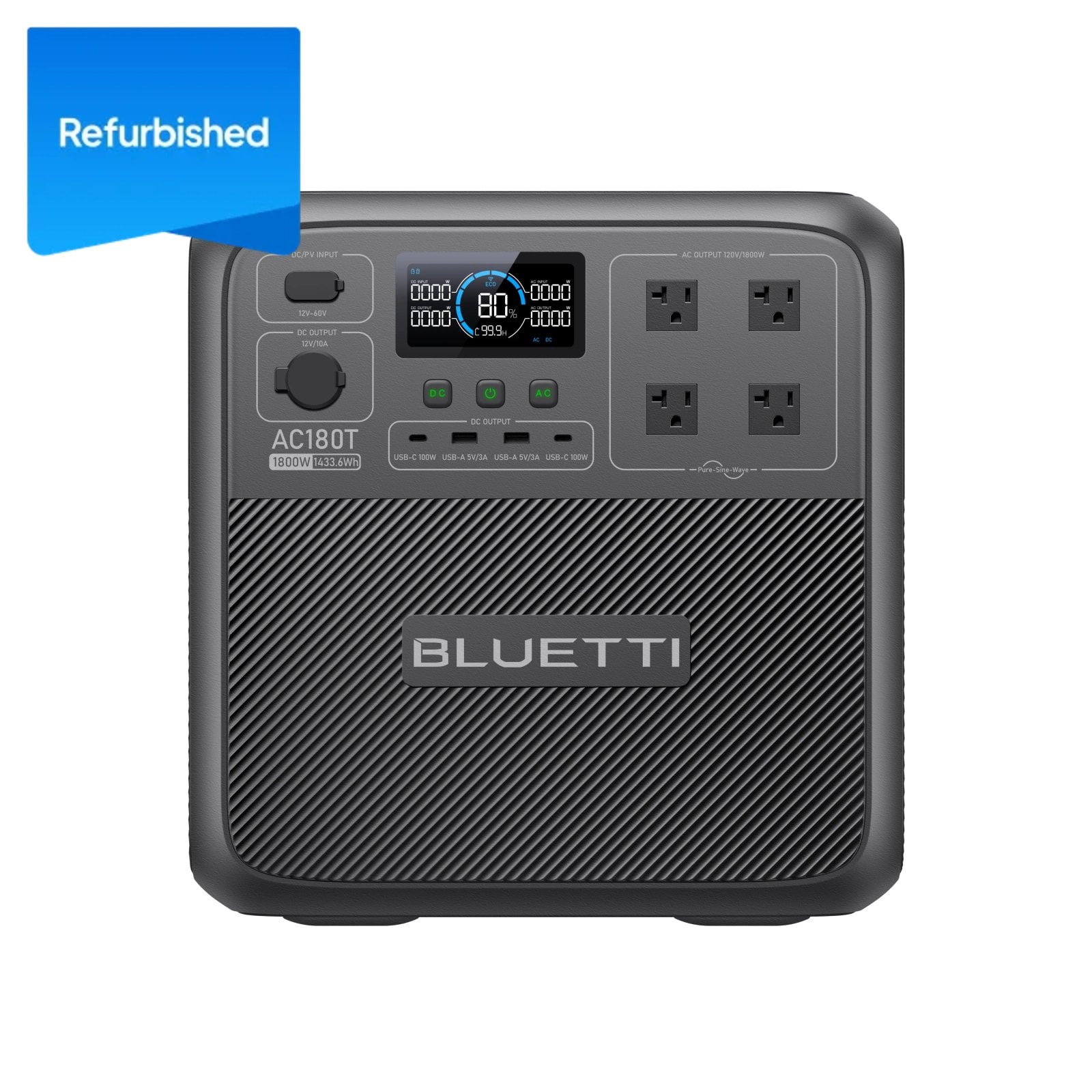
That breadth is useful if you already understand your intended load. It is less helpful if you expect a single model name to tell you what your home can run. Output and stored energy answer different questions: output describes what can be powered at once, while capacity affects how long the station may supply that load. BLUETTI’s listed figures help start the comparison, but do not replace checking each device’s draw and startup needs. For a sense of the range beyond the smallest units, the Canadian site also lists products such as the AC180T, which indicates how quickly the decision can shift toward higher output and heavier equipment.
Where are the range’s limits?
Power stations are easy to compare by headline numbers and harder to select by real use. A rated output does not mean every appliance will run, and a capacity figure is not a promise of a particular runtime. Device consumption, conversion losses, temperature and the way a station is recharged all affect the result. The store’s specifications are useful starting points, not a household load calculation.
Portability is another compromise. Compact models are easier to carry, but have less stored energy and fewer options for heavier loads. Larger units can cover more scenarios, yet their size and weight may make them awkward to move or keep ready. The Apex 200 makes most sense to someone who has a reason to expand; a buyer who will never add capacity may be paying in space and complexity for headroom they do not need. Consider where a station will live, too. A unit stored in a garage for occasional outages has different portability demands from one that must travel in a vehicle or move between rooms. Wheels, handles, clearance and access to a safe charging location can matter just as much as a specification row, so check the exact product dimensions before committing.
- Write down each device and its running wattage.
- Check whether any appliance has a startup surge above its normal draw.
- Estimate the hours of use you need between charging opportunities.
- Include the charging method and accessories in the plan, not as an afterthought.
Solar can make a station more independent of wall charging, but it introduces panel size, placement, weather and connection compatibility. A bundle can be convenient when its parts match your use, yet it can also add equipment you will not deploy. Compare the included panel and charging details on the exact Canadian listing before choosing a package such as the Elite 100 mini with SORA 220. The separate SORA 220 panel page also helps confirm what panel is being discussed.
Which BLUETTI models suit different jobs?
Elite 30 mini: BLUETTI lists 288Wh capacity and 300W output. This is the most convincing fit for a person who wants a smaller unit for phones, cameras, a laptop or other modest electronics, especially when carrying ease matters more than running larger appliances. It is not a substitute for a home backup system. Verify ports and charging options on the Canadian Elite 30 mini product page for your devices.
Elite 100 mini: its listed 1,004Wh and 700W move it into more capable territory for longer electronics use and selected smaller loads. This is the balanced pick for someone who wants meaningful stored energy without starting with the brand’s more expandable setup. The 700W ceiling still matters, and buyers should not infer appliance compatibility from capacity alone. Review its outputs and charging methods on the official Elite 100 mini listing.
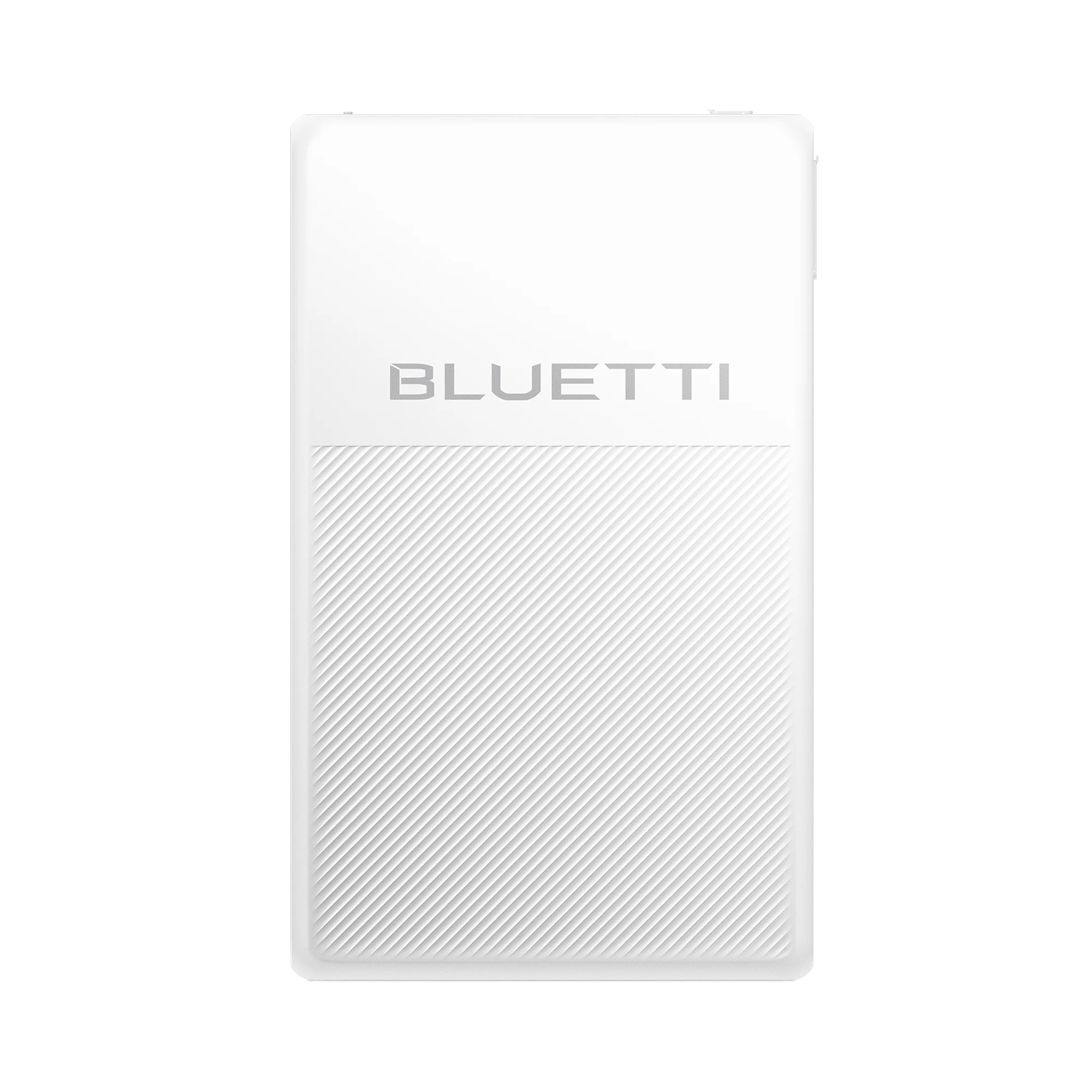
Apex 200: BLUETTI positions this as an expandable power station. That makes it relevant to buyers who want a base system they can build around, or who have mapped out larger backup needs. Expansion can add flexibility, but it also asks for more planning and usually more space. Check the precise compatible batteries, charging components and configuration on the Canadian Apex 200 page rather than assuming every accessory works together.
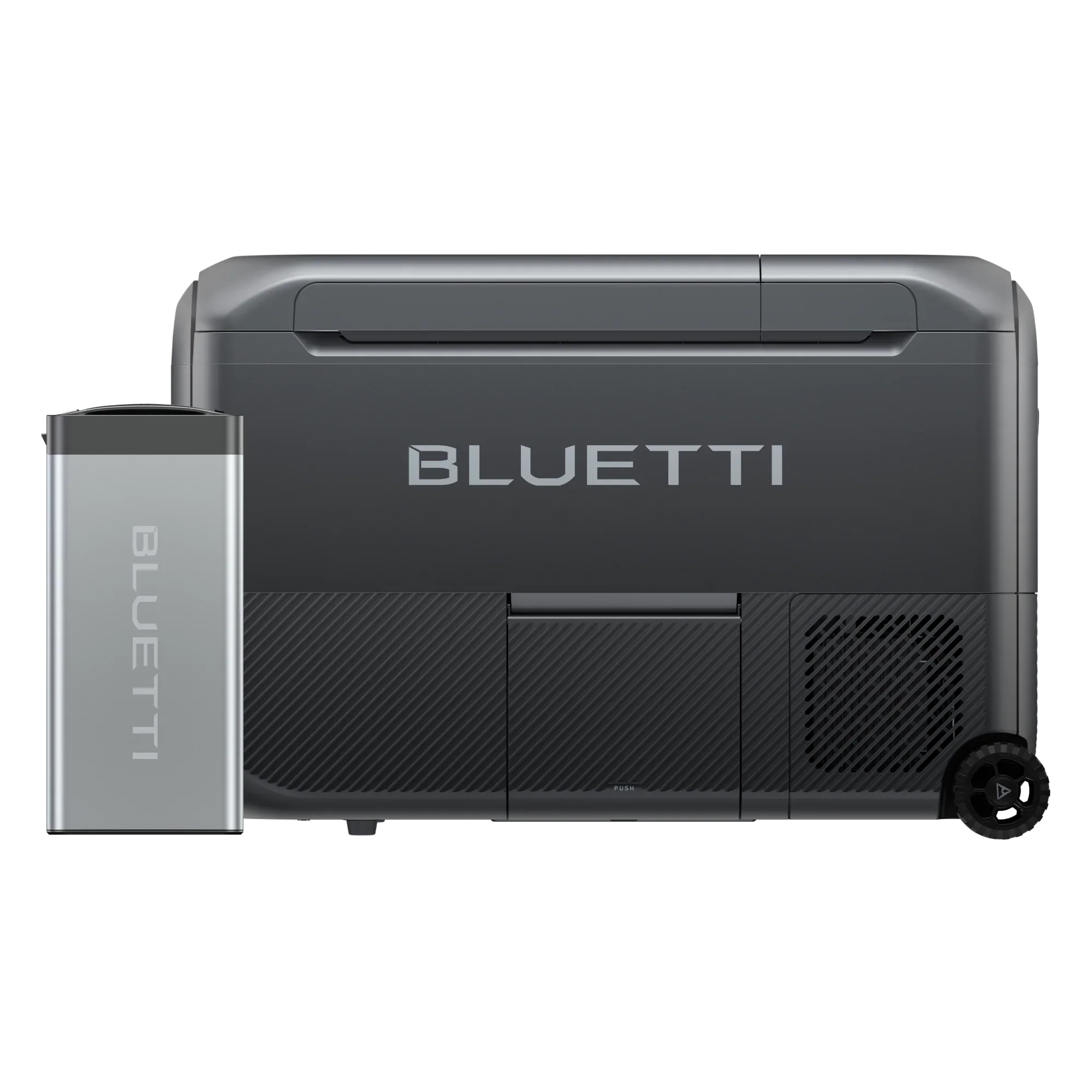
FridgePower: this is the specialist option for a refrigerator-first outage plan. A dedicated system may be simpler to reason about than adapting a general station, but its appeal depends on the appliance and the listed configuration. A reader who wants to power varied devices around a campsite or home should compare the broader stations instead. See the exact components and compatibility details on the FridgePower listing.
One practical distinction is whether your goal is continuity or flexibility. A refrigerator plan asks how the backup will connect and how long it should bridge an interruption. A general-purpose station asks which mix of devices takes priority. It is easy to blur these aims while browsing bundles, so write down the primary job first and treat other uses as a bonus. The brand’s FridgePower product details are the place to confirm its stated use and included configuration.
- Choose the Elite 30 mini for light loads and frequent carrying.
- Choose the Elite 100 mini when capacity matters more but a compact footprint remains important.
- Consider Apex 200 if expansion is part of the plan, not just an appealing phrase.
- Look at FridgePower when refrigerator continuity is the central objective.
How should Canadian buyers judge the cost?
We are leaving out price figures because store pricing and configurations can change. The factors that generally shape the decision here are the station’s capacity tier, its output, whether expansion hardware is included, and whether the bundle includes solar panels or other accessories. A package is only better value if those extras solve a need you already have.
Check the Canadian product page for the current configuration and checkout terms, including delivery, warranty coverage and what is inside the box. Compare like with like: a bare station against another bare station, or a complete solar bundle against a similar bundle. For solar, confirm panel compatibility and the stated charging input; for backup, compare the appliance requirements with the output specification.
That specialised approach appears elsewhere in the range too. The refurbished AC180T listing, for example, is a distinct product page and should be evaluated on its own condition, coverage and included accessories. Refurbished equipment can suit a price-conscious buyer, but the warranty terms and battery condition policy deserve a careful read. Do not assume that the name alone means the same package as a new product. Check the official Canadian AC180T listing for those details.
Which BLUETTI option belongs on your shortlist?
For a quick editorial shortlist, the point is fit rather than declaring a universal winner. The rows below reflect the use cases the product pages support; check the linked Canadian listing for current specifications and configuration.
| Product | Best for | |
|---|---|---|
| Elite 30 mini | Light electronics and easier carrying | See price |
| Elite 100 mini | More stored energy in a compact station | See price |
| Apex 200 | A system with room to expand | See price |
| FridgePower | A refrigerator-focused outage plan | See price |
The shortlist also reveals the main limit of shopping by brand alone: BLUETTI’s range cannot tell you how long your specific refrigerator, router or medical device will run without a load estimate. Use the product pages for the verified specifications, then compare them with your own devices and the time between charging opportunities.
Ready to match a BLUETTI station to your needs?
Our recommendation is to start with the load and location. The Elite 30 mini is the sensible entry point for portable personal power; the Elite 100 mini is the more versatile choice for buyers who need more capacity; and Apex 200 earns consideration when expansion has a concrete purpose. Choose FridgePower only when its focused refrigerator role matches the plan.
The honest caveat is that product-page ratings cannot predict exact runtime in your home, and larger systems bring more weight, equipment and setup decisions. Check the current Canadian listings, compatibility details and warranty terms before settling on a configuration.


Leave a Comment